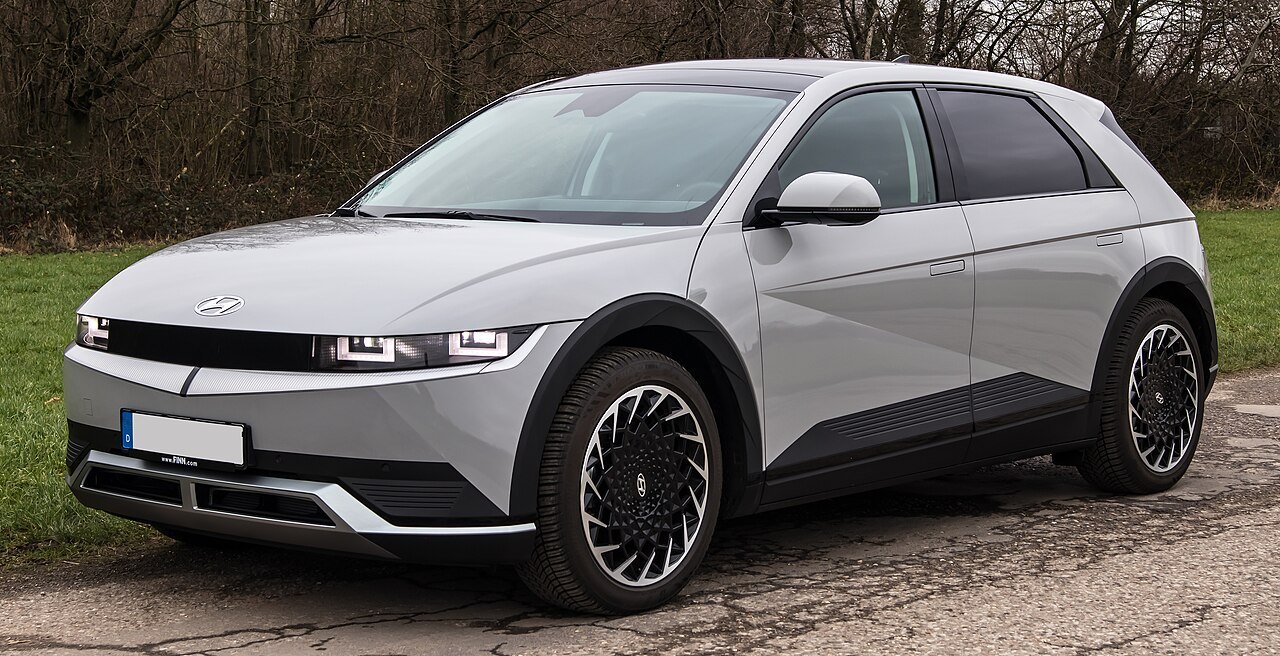
What is 800V Architecture?
A high-voltage EV electrical system that enables much faster DC charging and lighter wiring compared with traditional 400V layouts.
800V architecture refers to an electric vehicle whose high-voltage system operates at roughly 800 volts rather than the more common 400 volts. Higher voltage allows the same power to flow with less current, which brings several engineering advantages.
The headline benefit is much faster DC fast charging. At higher voltage, a car can accept more charging power without overheating its cables, enabling very short charging stops on capable chargers. Higher voltage also allows thinner, lighter wiring and can improve efficiency and packaging.
Pioneered on cars such as the Porsche Taycan and Hyundai and Kia E-GMP models, 800V systems are increasingly common on premium EVs. The main trade-offs are higher component cost and the need for chargers that can deliver the higher voltage to realise the full benefit.
Related terms
Frequently asked questions
800V Architecture on the blog
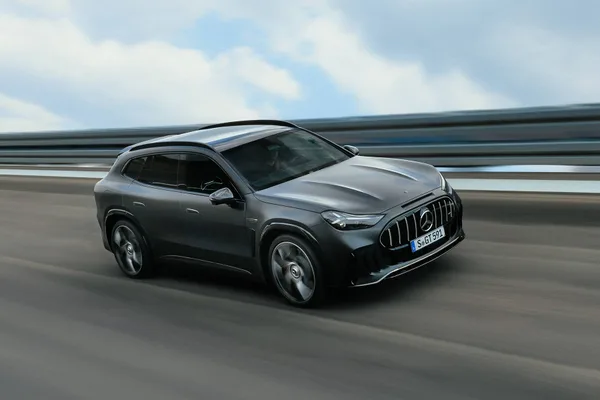
Mercedes-AMG revealed the electric GT SUV on October 17, 2026. The GT 63 makes 1,153 hp from three axial flux motors, charges at up to 710 kW, and wears six round taillights. One critic calls it handsome, another says its proportions look bloated.

Bentley revealed the Torcal, its first electric car, on September 23. The fastback SUV shares the electric Porsche Cayenne's platform, makes up to 876 hp, and trades Bentley's round headlights for rectangular lamps and an illuminated diamond grille.