DuelsLeaderboardGarageBlogCarsGlossaryBrowse

LFP Battery

Car culture term

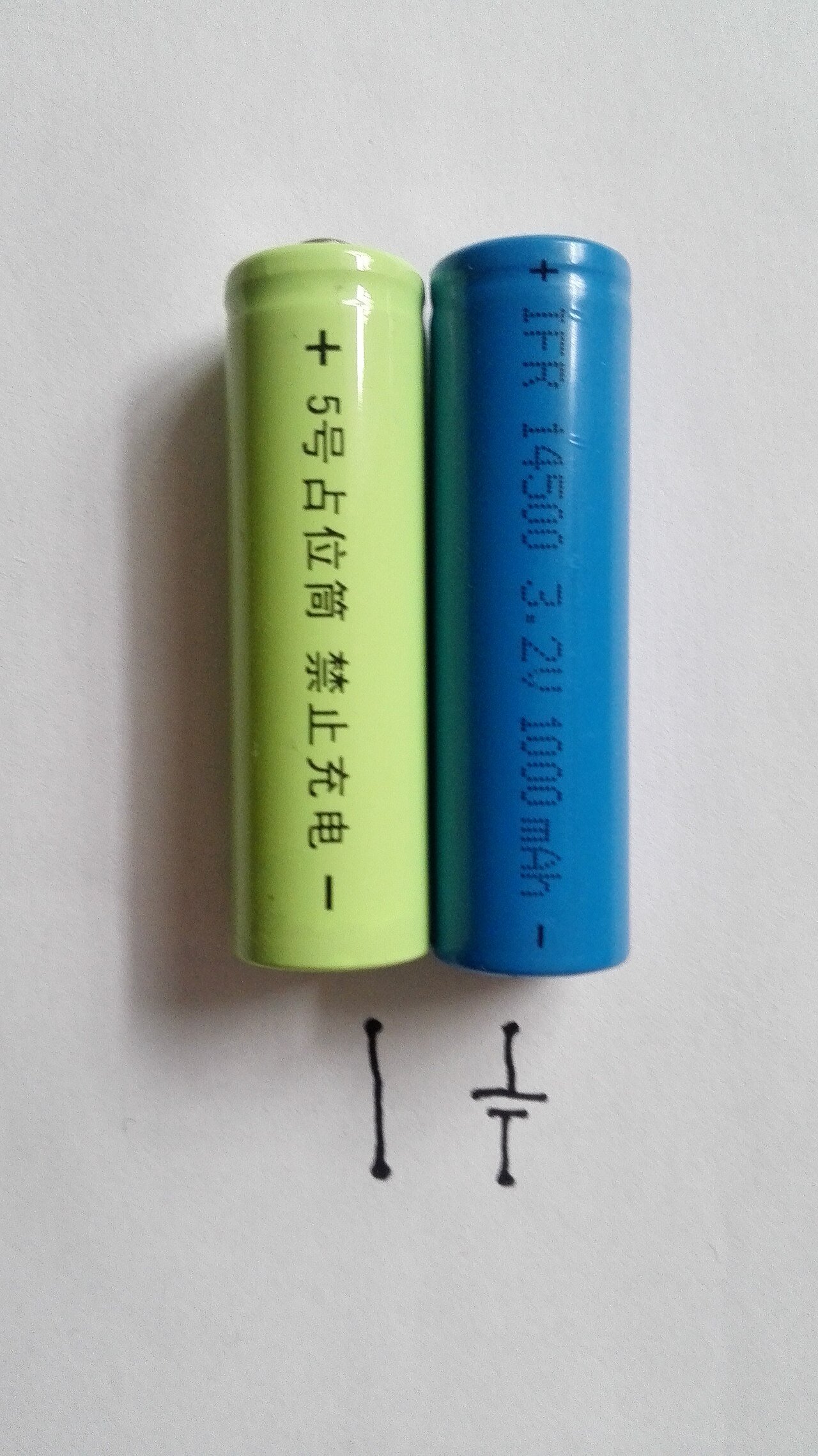
LFP Battery
Photo: 1miloliu / Wikimedia Commons · CC0

What is LFP Battery?

A lithium iron phosphate EV battery chemistry valued for long life, safety and low cost, at the expense of some energy density.

LFP stands for lithium iron phosphate, a battery chemistry increasingly used in electric vehicles. Unlike the nickel-rich chemistries common in long-range EVs, LFP cells use iron and phosphate, which makes them cheaper, more thermally stable and free of cobalt.

The main trade-off is lower energy density, meaning LFP packs are typically heavier or bulkier for a given range. In exchange they offer excellent cycle life, strong resistance to thermal runaway and the ability to be regularly charged to 100 percent without significant degradation.

These characteristics make LFP popular for standard-range EVs, energy storage and any application where cost, safety and longevity matter more than maximum range. Several manufacturers now offer LFP options alongside higher-density chemistries for longer-range variants.

Related terms

DC Fast Charging800V ArchitectureRegenerative brakingOne-Pedal DrivingSkateboard Platform

Frequently asked questions

What does LFP stand for?
LFP stands for lithium iron phosphate, the chemistry used in this type of EV battery cell.
What are the advantages of LFP batteries?
They are cheaper, more thermally stable, cobalt-free and have excellent cycle life, and can be charged to 100 percent regularly.
What is the downside of LFP?
LFP cells have lower energy density, so packs tend to be heavier or larger for the same driving range.
Can you charge an LFP battery to 100 percent?
Yes, LFP chemistry tolerates frequent full charging better than nickel-rich chemistries, and makers often recommend it.
Which EVs use LFP batteries?
Many standard-range EVs now use LFP packs, with longer-range variants often using higher-density nickel-rich chemistries.
Back to Glossary