What is Pole Position?
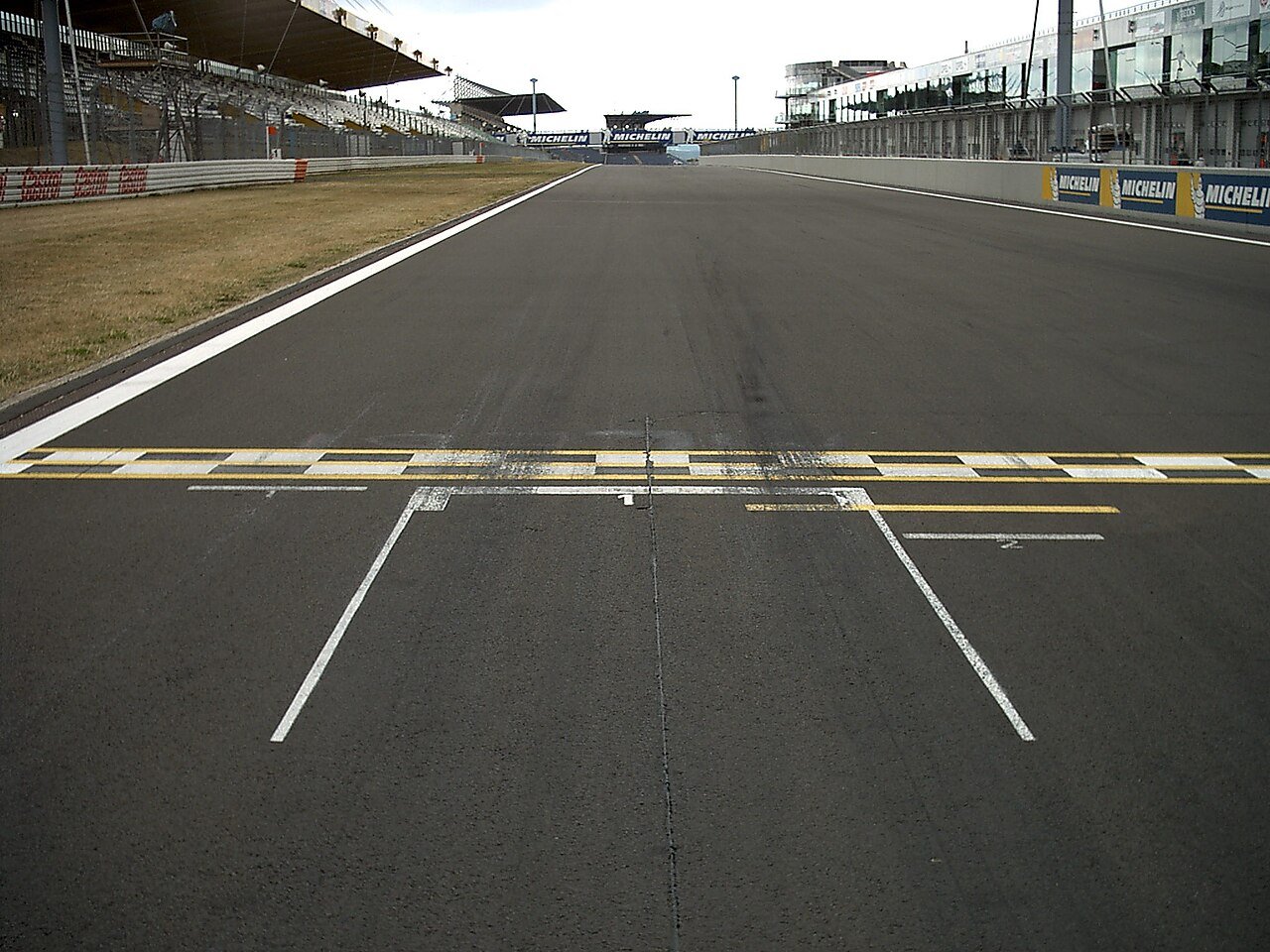
Pole position is the first starting spot on a race grid, awarded to the driver who sets the fastest qualifying time, giving them the earliest, cleanest run into the first corner.
Pole position is the first, front-most starting position on a race's starting grid, earned by the driver who records the fastest lap time during a qualifying session held ahead of the race. The term originates from horse racing, where the starting position closest to the inside rail, near a marker pole, was considered the most advantageous, and the language carried over into motorsport once formal grid-based race starts became standard.
Starting from pole position offers meaningful competitive advantages: the pole sitter has the cleanest, most unobstructed view and racing line into the first corner, avoids the traffic and potential contact that midfield and rear grid positions face at the start, and does not need to pass other cars to lead the race from the opening lap. In series with narrow, technical tracks where overtaking is difficult, pole position can be an especially strong predictor of race outcome, while on circuits that favor overtaking, a strong qualifying position matters less to the eventual race result.
Qualifying formats that determine pole position vary by series. Formula 1 uses a three-part knockout qualifying session that progressively eliminates the slowest cars, with the fastest driver in the final segment claiming pole. NASCAR, IndyCar, and other series have used various single-lap, multi-lap, or knockout qualifying formats over the years, and some series award championship points or other incentives specifically for securing pole position, underscoring its value beyond just race-day track position.