DuelsLeaderboardGarageBlogCarsGlossaryBrowse

Racing Line

Car culture term

Racing Line
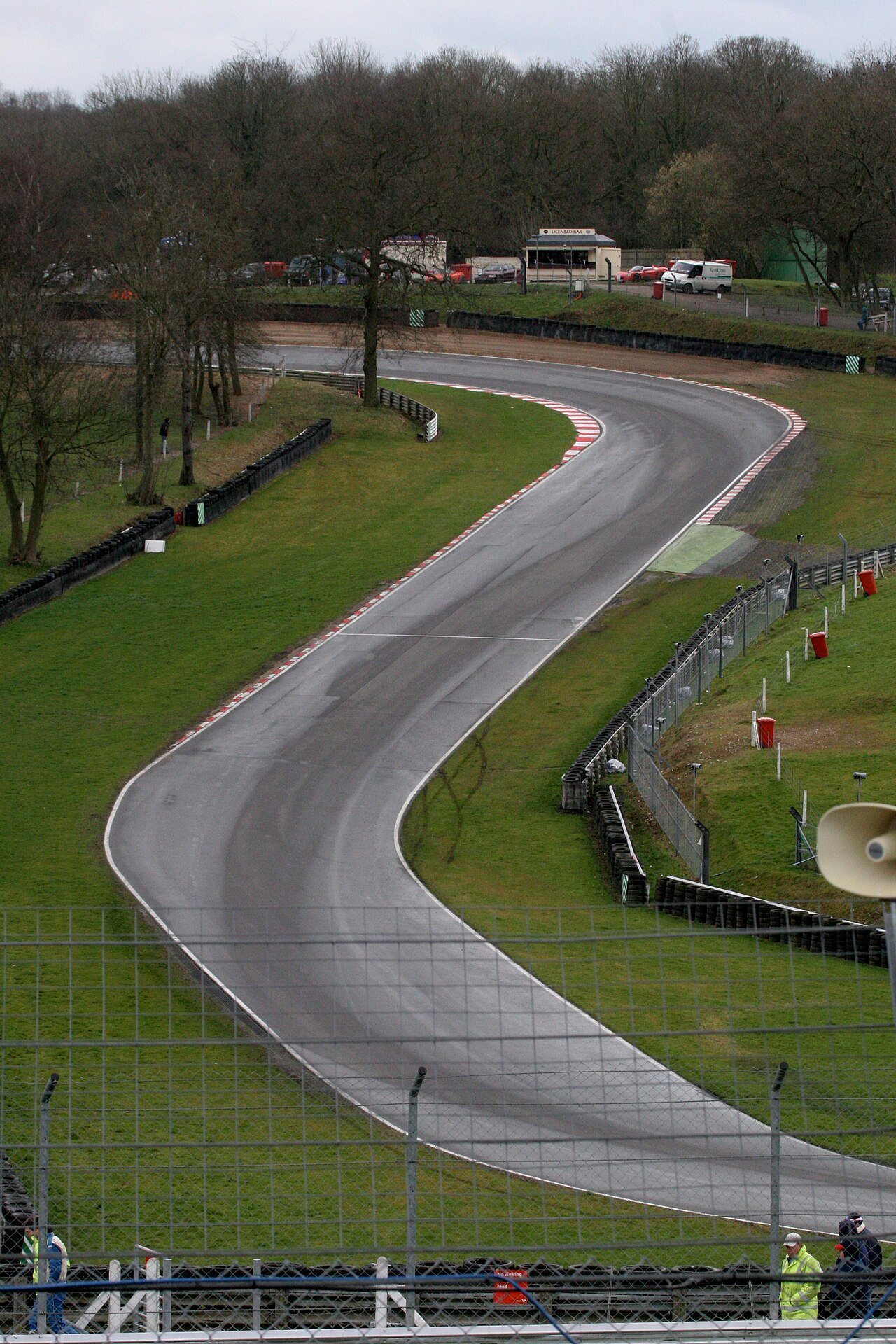
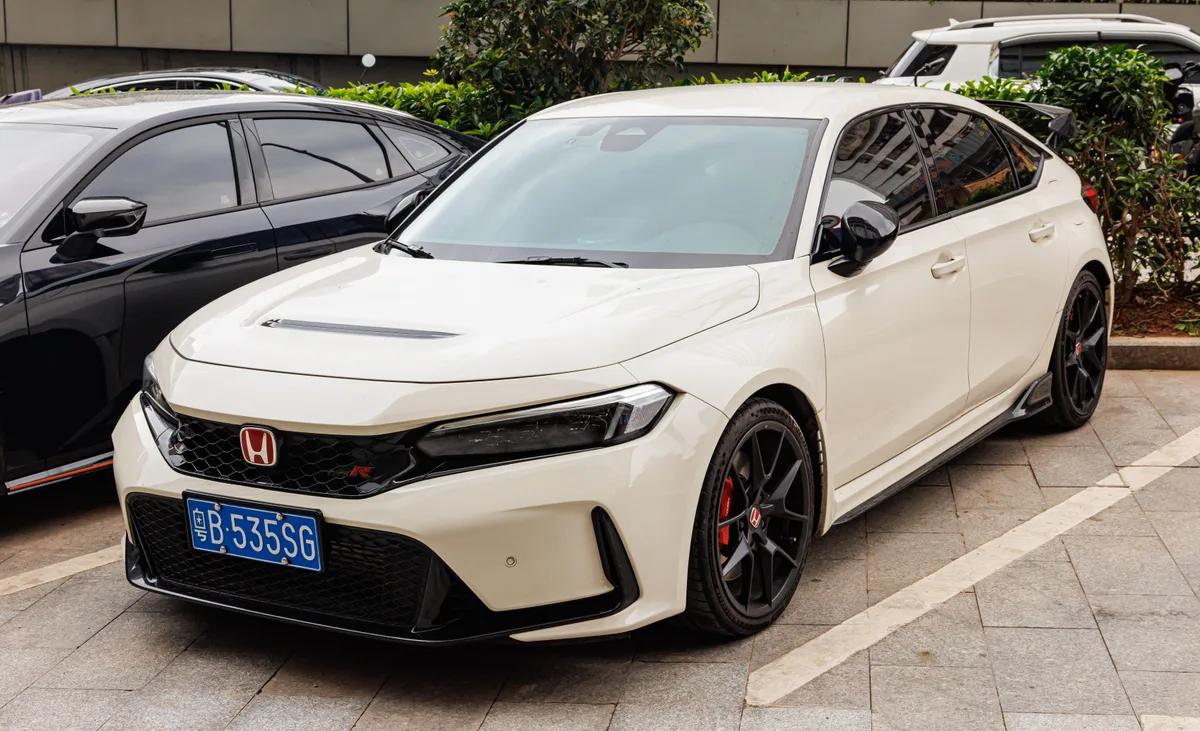
Photo: Brian Snelson from Hockley, Essex, England / Wikimedia Commons · CC BY 2.0

What is Racing Line?

The optimal path around a corner or track that lets a car carry the most speed, typically using the full width of the road.

The racing line is the path through a corner or sequence of corners that allows a car to maintain the highest possible speed. By using the full width of the track, the driver effectively straightens the corner, reducing how sharply the car must turn and therefore how much it has to slow down.

A classic single corner is taken by approaching from the outside, clipping the inside at the apex, and running back out to the outside on exit, known as out-in-out. The exact ideal line varies with corner shape, what comes next and the car's balance, and a late apex is often used to prioritise corner-exit speed onto a following straight.

Mastering the racing line is fundamental to going faster on track, often yielding bigger gains than raw power. It must also adapt to conditions, traffic and grip, and differs from the defensive lines used when racing wheel to wheel.
Related terms

Trail BrakingApexHeel-toeTrack dayTime attack

Frequently asked questions

What is the racing line?
It is the path through a corner that lets a car carry the most speed, typically using the full width of the track to straighten the turn.
What is out-in-out?
It describes taking a corner from the outside on entry, clipping the inside at the apex, then running wide again on exit to maximise speed.
What is a late apex?
A late apex means turning in later and clipping the inside further through the corner, which prioritises a faster exit onto a straight.
Does the racing line change with conditions?
Yes, drivers adjust the line for grip, weather, traffic and the car's balance, and may use different lines in the wet.
Is the racing line the same as a defensive line?
No. The racing line is the fastest path, while a defensive line is chosen to protect position against a rival, often sacrificing some speed.

Racing Line on the blog

What is shakotan? Japan's original lowered car style

Shakotan literally means low car, and it's the 1970s Japanese style that every lowered car since has descended from. Deep-dish wheels, a scraped ride height, mild flares, and clean lines. Here's what separates it from bosozoku, kaido racer, and VIP style.

Honda's hardcore Type R HRC is reportedly heading to production

Honda Racing Corporation's track-focused Civic Type R could become a full production model by 2027, according to Japanese outlet Response. What's confirmed is the aero kit itself, which HRC president Koji Watanabe says will be sold as accessories. Takuma Sato tested it at Suzuka and called it "way better" than standard.

What is a ricer? Where the word came from, and why it still stings

A ricer is a car modified to look fast without being made faster: big wing, loud muffler, stick-on vents, decals for sponsors it doesn't have. The word comes from "rice burner," a slur aimed at Japanese bikes and cars, and the acronym people cite is a cover story. Here's the history, the line between a ricer and a real build, and why the industry does the same thing.

Audi's boss says the pricier the car, the more buyers want an engine

Audi CEO Gernot Döllner says enthusiasm for combustion engines rises with price: the higher the segment, the more buyers want an engine, while EVs are accepted fastest at the cheap end. Audi's $700,000, 987-hp Nuvolari, with a V8 that revs to 10,000 rpm, is the proof.

Back to Glossary