What is Unibody?
Unibody, or unitized body, construction is a design where the body and frame are built as a single integrated structure rather than separate components.
Unibody, short for unitized body, is a vehicle construction method in which the body panels and structural frame are integrated into a single welded or bonded unit, rather than a separate frame with a body mounted on top. Structural loads from driving, cornering, and impacts are carried through the body shell itself, which is engineered with reinforced sections to handle those forces.
Unibody construction generally allows for lighter overall vehicle weight compared to a traditional body-on-frame design, since a single integrated structure can be engineered to avoid the redundant material of both a separate frame and a separately reinforced body. This weight advantage, combined with typically lower manufacturing costs at high production volumes, made unibody construction the dominant approach for passenger cars, and it has expanded into most crossovers and many modern SUVs.
Body-on-frame construction still persists in vehicles that prioritize heavy-duty towing, off-road durability, or the ability to easily swap different bodies onto the same frame, such as traditional pickup trucks and some body-on-frame SUVs. The tradeoff is generally that body-on-frame vehicles are heavier and can flex more under certain loads, while unibody vehicles tend to offer better ride comfort and handling but can be more complex or costly to repair after significant structural damage.
Related terms
Frequently asked questions
Unibody on the blog
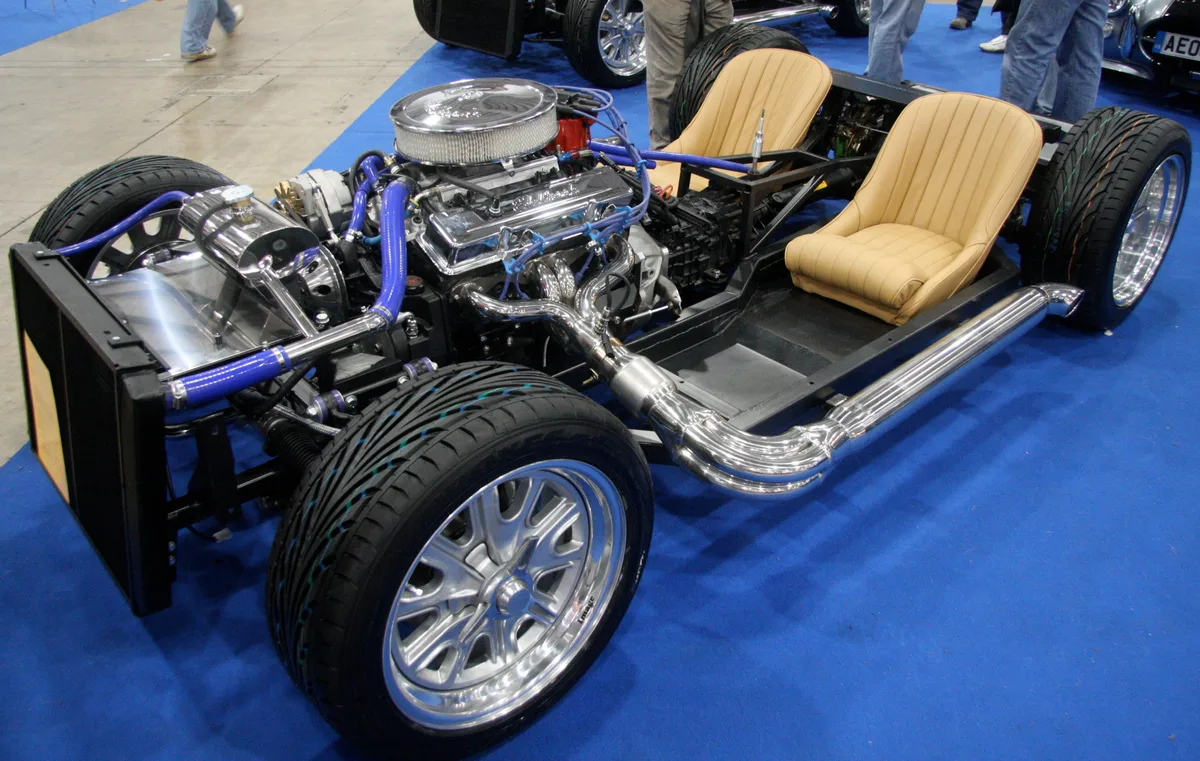
A subframe, also called an engine cradle, is a bolt-in structure that carries the engine, transmission, and suspension, then mounts to the body through rubber bushings. It isolates noise and vibration, spreads load, and lets a whole drivetrain be installed in one motion on the assembly line.
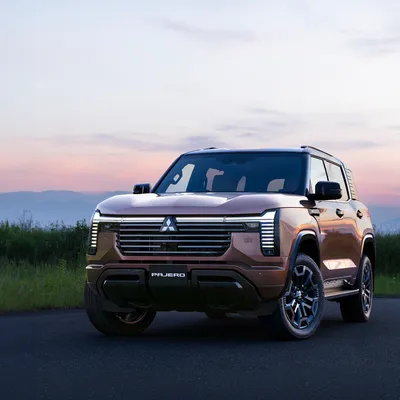
Mitsubishi revealed a fifth-generation Pajero on September 2, a body-on-frame SUV built in Thailand and aimed at the Toyota Land Cruiser. It is the first new Pajero since 2021, with a ladder frame from the Triton pickup, 9.1 inches of ground clearance, and a 2.4-liter turbodiesel.

Hyundai plans to build body-on-frame trucks and SUVs in the United States and export them overseas, CEO Jose Munoz said at the company's investor day in Seoul. It is part of a push toward 5.55 million global sales by 2030, with 500,000 units of new North American capacity.