DuelsLeaderboardGarageBlogCarsGlossaryBrowse

Numbers Matching

Car culture term

What is Numbers Matching?

Numbers matching describes a classic car whose engine, transmission, and body still carry their original factory-assigned serial numbers, a major factor in collector value.

Numbers matching refers to a classic or collector car in which the serial numbers stamped on major components, most importantly the engine and often the transmission, rear axle, and other assemblies, correspond to the numbers originally assigned to that specific vehicle when it left the factory. Manufacturers typically stamp a vehicle identification number or a derivative code onto these components during production, creating a traceable link between the car's body and its major mechanical parts. Over a car's life, engines and transmissions are sometimes swapped due to failure, accident repair, or performance modification, which breaks that original factory pairing.

In the collector car market, a numbers matching example commands a significant price premium over an otherwise similar car with replacement components, because it represents a more complete and verifiable piece of original manufacturing history rather than a car that has had parts substituted at some point in its life. This premium is especially pronounced for high-performance and limited-production classics, such as certain muscle car engine and transmission combinations, where the original factory-installed powertrain is itself part of what made the specific model desirable, and a replacement engine, even a correct period-appropriate one, is valued differently than the car's documented original unit.

Verifying numbers matching status typically involves cross-referencing the stamped codes on the engine block, transmission case, and other components against the vehicle identification number and factory build records, sometimes supplemented by a manufacturer-issued documentation service such as a Marti Report for Fords or similar services for other brands. Because the financial stakes are high, numbers matching claims are frequently scrutinized by appraisers and specialist inspectors before a sale, and buyers of significant classic cars are generally advised to independently verify matching numbers claims rather than relying solely on a seller's representation.
Related terms

Barn findRestomodMuscle carCars and CoffeeJDM

Frequently asked questions

What does numbers matching mean?
It means the serial numbers stamped on a car's major components, most importantly the engine, still match the numbers originally assigned to that specific vehicle at the factory, rather than having been replaced with a different unit at some point in the car's history.
Why is a numbers matching car worth more?
Collectors pay a premium for numbers matching cars because they represent a more complete, verifiable piece of original manufacturing history, which is especially valued in high-performance classics where the specific factory powertrain combination is central to the car's desirability.
How do you verify a car is numbers matching?
Buyers typically cross-reference the stamped codes on the engine block, transmission case, and other major components against the vehicle identification number and factory build records, sometimes using a manufacturer documentation service, and often hire a specialist inspector for high-value purchases.
Can a car have a correct engine but not be numbers matching?
Yes. A car can have a period-correct or even original-spec replacement engine of the right type without it being the exact unit originally installed in that specific vehicle, which the market values differently, and often significantly lower, than a true numbers matching original.
Does numbers matching affect every classic car's value equally?
No. The premium is strongest for high-performance, limited-production, or otherwise historically significant models where the original factory powertrain is a key part of the car's identity; it matters less for common, mass-produced classics where engine swaps were routine and less impactful to collector interest.

Numbers Matching on the blog

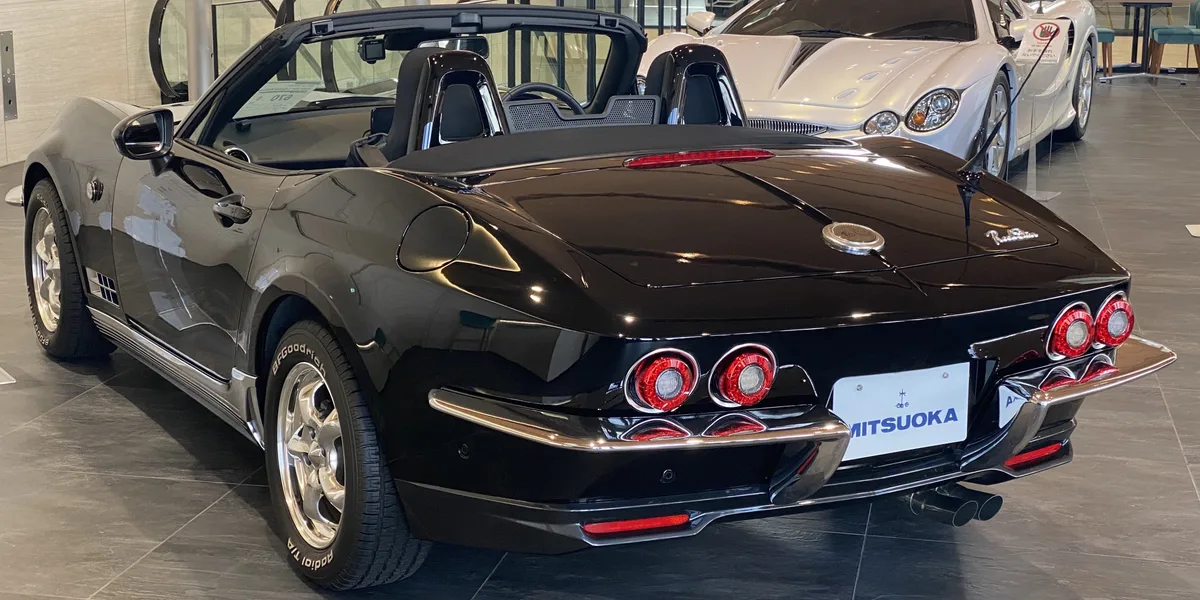
Mitsuoka is turning a Miata into a 1950s Corvette

Mitsuoka's new LA1 puts 1950s C1 Corvette bodywork on a current Mazda MX-5, with quad headlights, a chrome bumper, side gills, and taillights moved to the quarter panels. It debuts November 26 as a limited Japanese-market car. The same designer did the 2018 Rock Star, which copied the C2 instead.

Back to Glossary