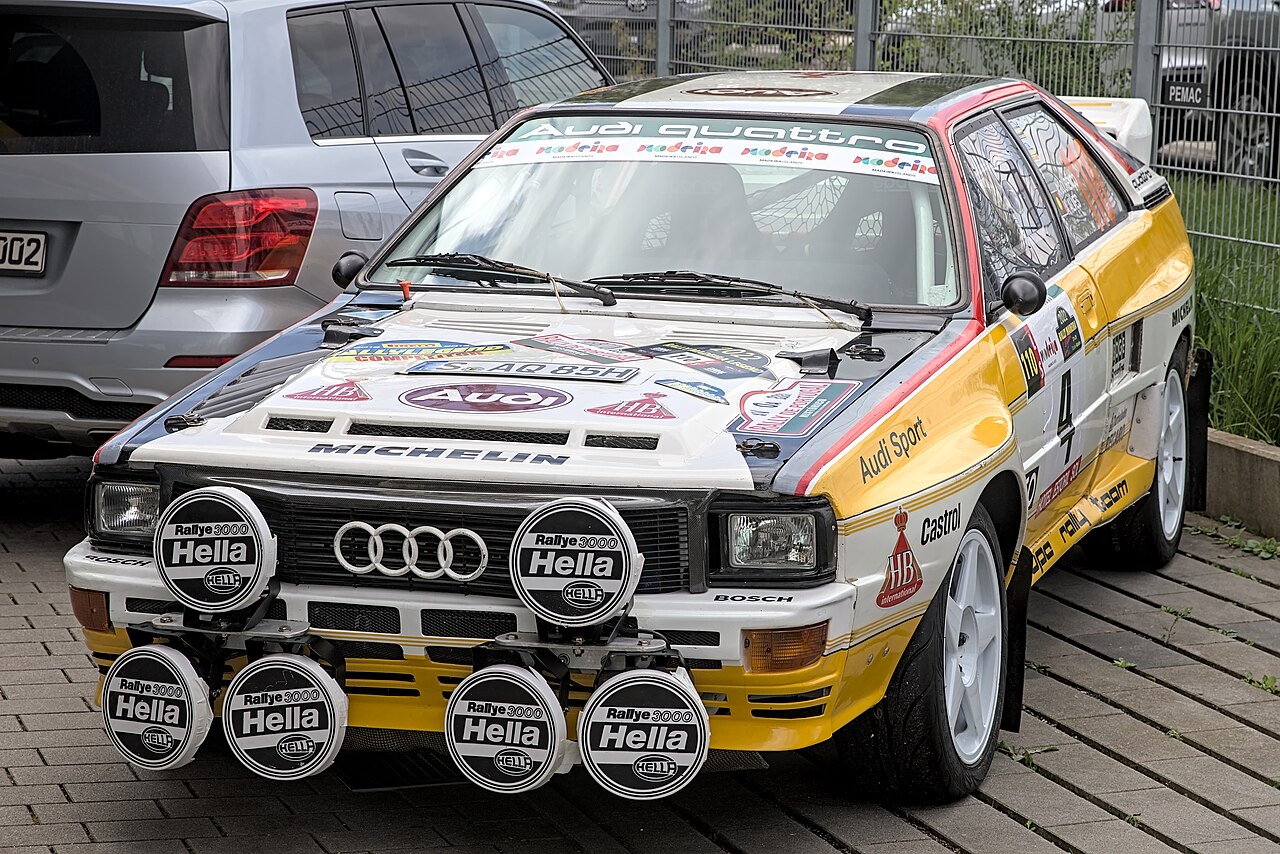
What is Group B?
An infamous 1980s rally category whose lightly regulated, extremely powerful cars became legends before safety concerns ended it in 1986.
Group B was a set of rally regulations introduced by the FIA in 1982 with very few restrictions on power, weight or technology, and low homologation requirements. The result was some of the fastest and most extreme rally cars ever built, often with four-wheel drive, turbocharging and well over 500 horsepower in lightweight bodies.
Cars such as the Audi Quattro, Lancia Delta S4, Peugeot 205 T16 and Ford RS200 became icons of the era, contesting events at astonishing speed on narrow, crowd-lined stages. The required road-going homologation specials are now among the most collectible performance cars ever made.
The combination of huge speed, limited safety measures and enormous crowds proved tragically dangerous. After several fatal accidents involving drivers and spectators, the FIA banned Group B at the end of 1986, cementing its legendary, almost mythical reputation.
Related terms
Frequently asked questions
Group B on the blog
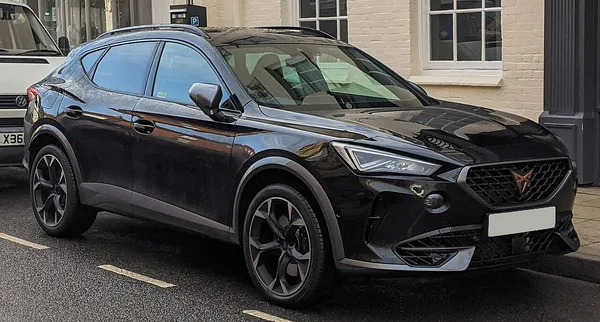
Cupra and SEAT are separate brands from the same Volkswagen Group company, SEAT S.A. Cupra started as SEAT's performance badge in 1996 and went solo in 2018. Here's how the Leon wears both badges, why Cupra now outsells SEAT, and where the US launch stands.
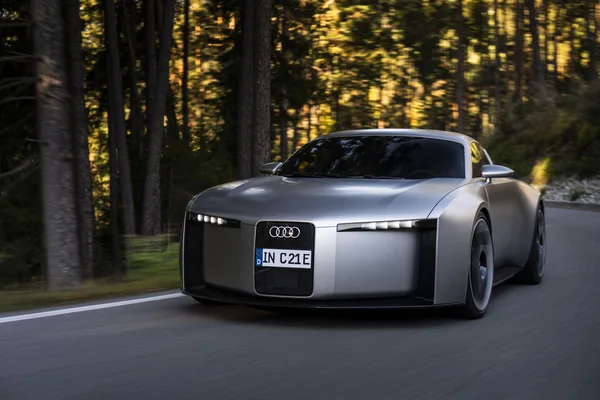
Porsche CFO Jochen Breckner confirmed on the October 27 earnings call that Audi's electric sports car, previewed by the Concept C, will use the platform built for the electric 718 Boxster and Cayman. Audi will pay Porsche for it in 2027.
Individual throttle bodies give every cylinder its own throttle, right at the intake port. Lexus said the setup cut the LFA's response time to about half that of a single throttle. Here is how ITBs work, which factory cars used them, and what they cost.
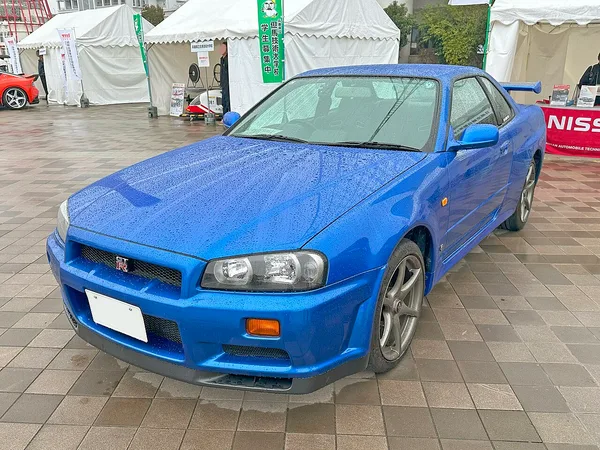
Nissan has built 13 Skyline generations since the 1957 Prince ALSI, and the 14th, the V38, debuts in December 2026. Here is every one, with its chassis code, years, nickname, key engine, and look, from the boxy Hakosuka to the Infiniti-badged V37.