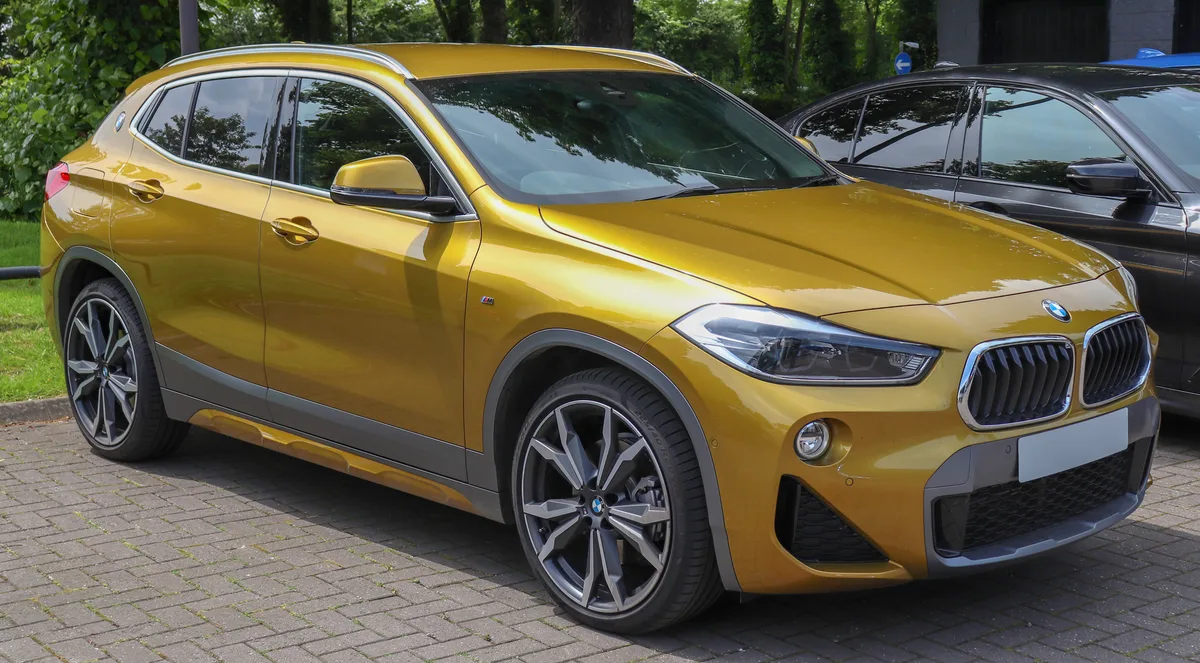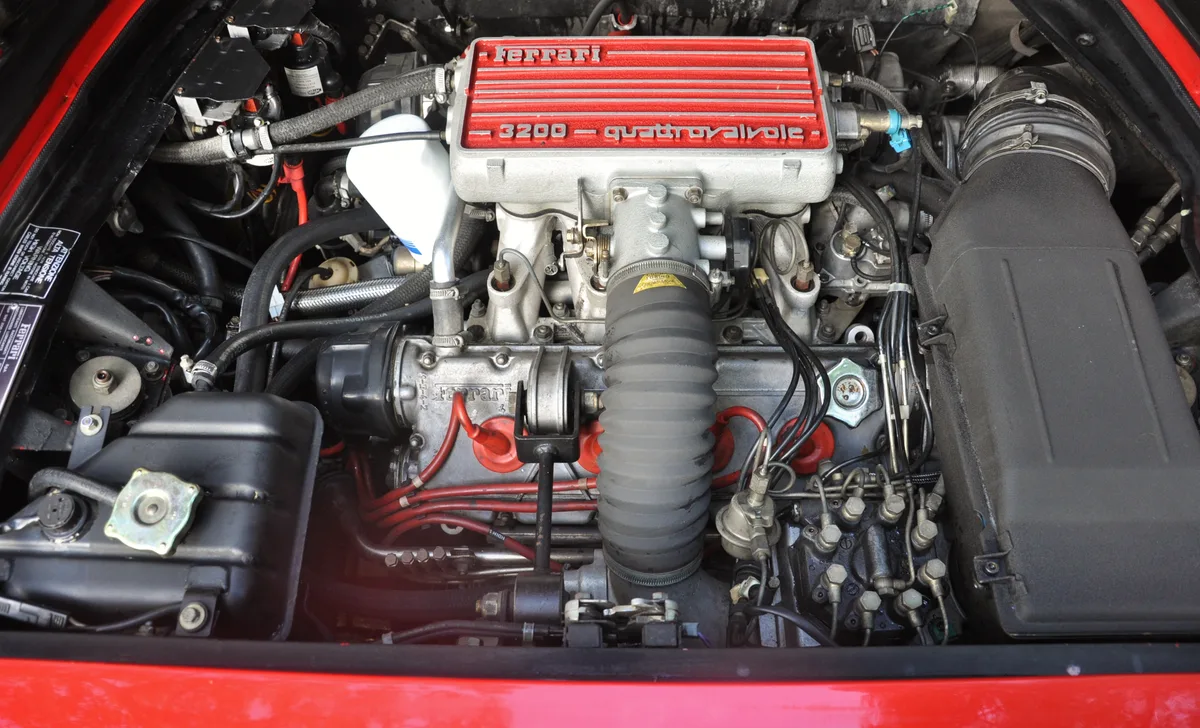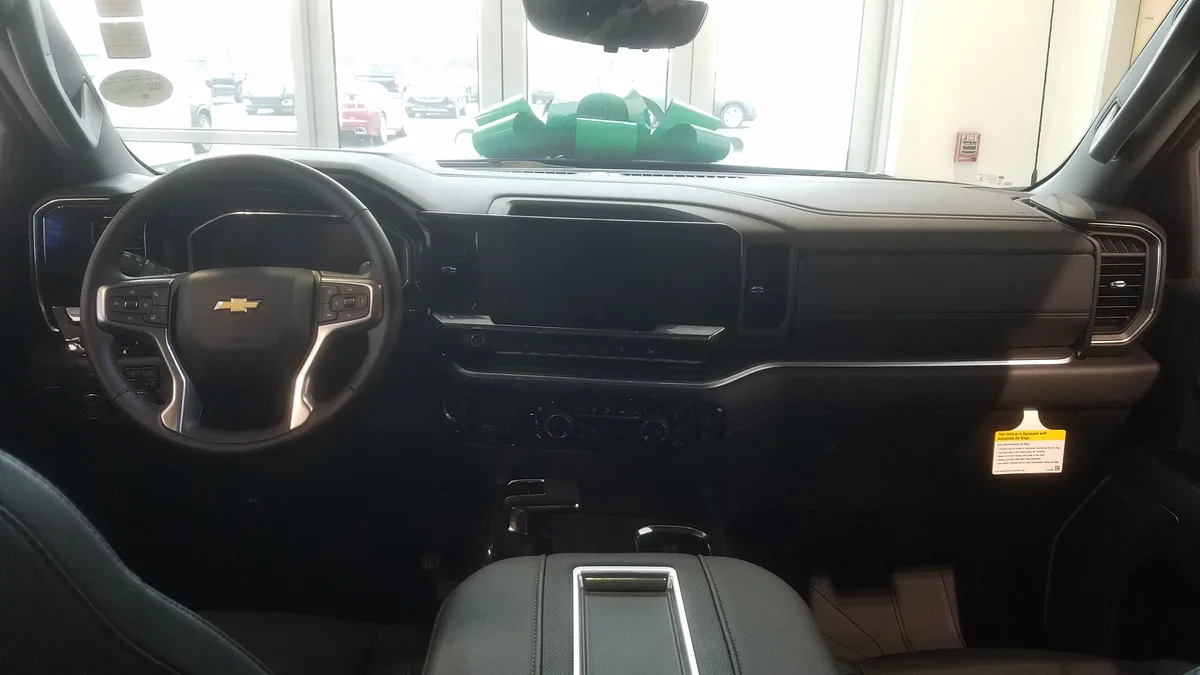
Cars used to come with red interiors, blue interiors, green interiors, and two-tone combinations that would probably get a designer fired today. Now you get black, cream, a gray, or a beige interior.
There are good reasons for it, and they are mostly about money rather than taste.
The business case
Every additional interior color is a separate set of parts, held in separate inventory, on a line that has to install the right one every time. Mainstream carmakers typically offer around three interior colors, and one of them is always black.
How Americans buy makes it worse. Most people buy from what is on the lot rather than ordering from the factory, so dealers stock combinations that will sell to anyone. Black goes with every exterior color, so it is the safe order every time, and the safe order becomes the only order.
Resale reinforces it. Neutral interiors hold demand across the widest pool of buyers, and an unusual color shrinks the number of people who want the car later.
The practical case
Black also hides things. Dirt, wear, scuffs on the door cards, and the shine that develops on a driver's seat bolster all show far less on black than on light gray or beige.
That matters most on cloth. A pale cloth interior looks worn quickly, while black cloth can look acceptable for years, which pushes cheaper cars toward black even harder than expensive ones.
The cost is heat. Dark surfaces absorb more solar energy, so a black interior gets hotter in the sun and asks more of the air conditioning, which is a real penalty in hot states and a genuine argument for light interiors.
What it does to how a car feels
A black interior is a safe design decision, and safe decisions do not make anyone love a car. Dark cabins read as smaller and flatter, because without tonal contrast your eye stops picking up the shapes of the dashboard and doors.
It also makes cheap materials easier to hide, which cuts both ways. Black plastic disguises hard surfaces and inconsistent grain, so a budget interior looks better in black, but a good interior loses the chance to show off.
A tan, oxblood, or two-tone cabin instantly feels more expensive than the same car in black, which costs the maker very little and is exactly the kind of advantage that is available right now while interiors converge on the same slab of black glass.
Sources:
Why mainstream makers limit interior colors and always include black: NADA Book Info
Frequently Asked Questions

Jeffrey Wiley has spent more time than he'd like to admit thinking about what makes a car look right. He writes about automotive design, car culture, and the opinions people have strong feelings about. He lives in north Georgia.