In 1990 the ten best-selling vehicles in America included sedans, coupes, and a handful of trucks. By 2005 the list was unrecognizable. By 2015 it was almost entirely trucks and SUVs. By 2023 Ford had stopped selling passenger cars in the United States entirely except for the Mustang, which survives only because it is culturally untouchable.
This is the story of how one market shift ended the era of genuinely beautiful mass-market car design and replaced it with something that is useful, profitable, and almost entirely uninteresting to look at.
What the SUV Boom Actually Killed
The design forms that produce beautiful cars are low, wide, and horizontal. Long hoods. Sloping rooflines. Tight wheel arches. Proportions that suggest speed even at rest. These are the proportions of a sedan, a coupe, a grand tourer, a sports car. They require a low center of gravity and a commitment to form over function at every step of the design process.
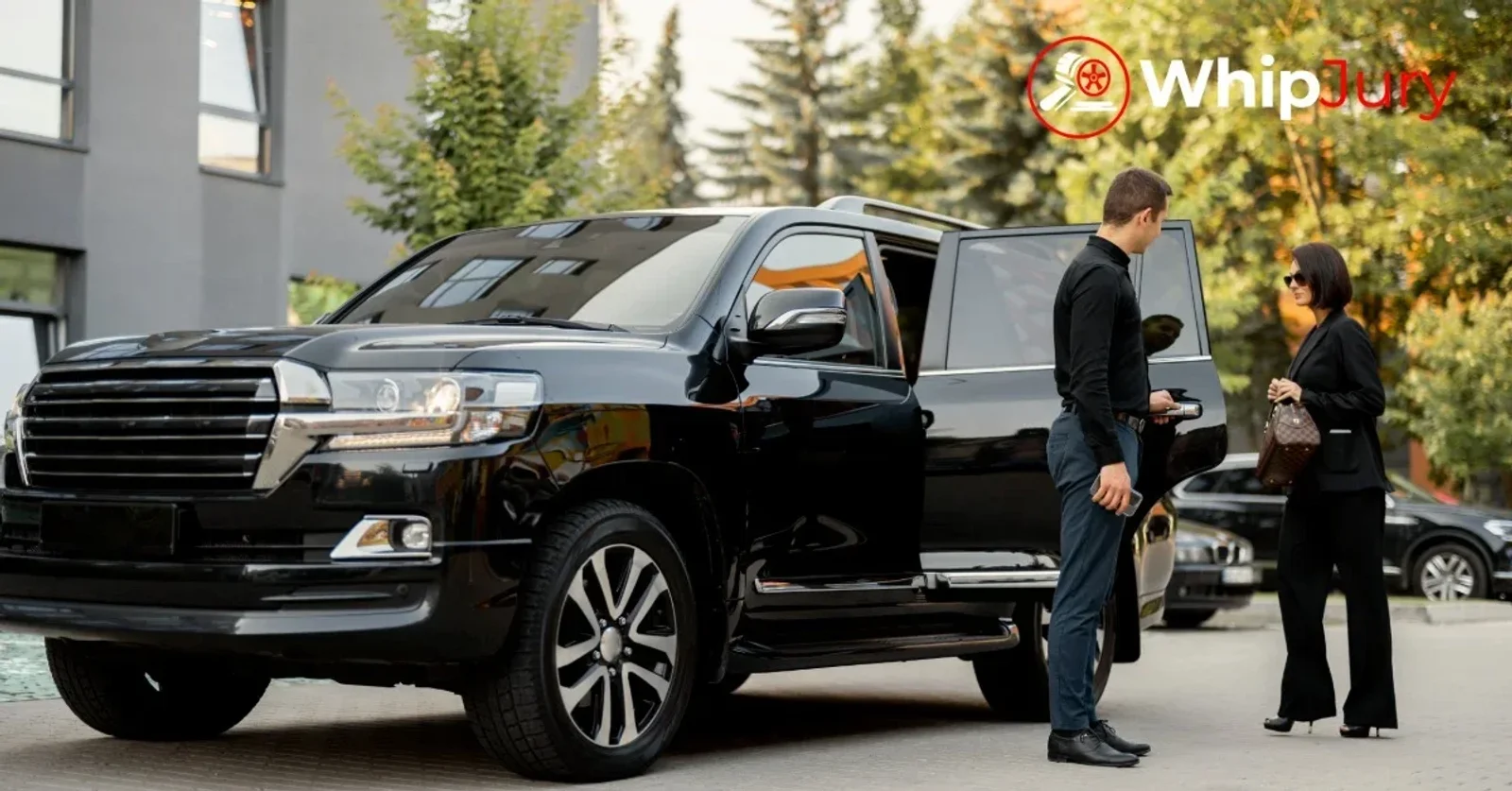
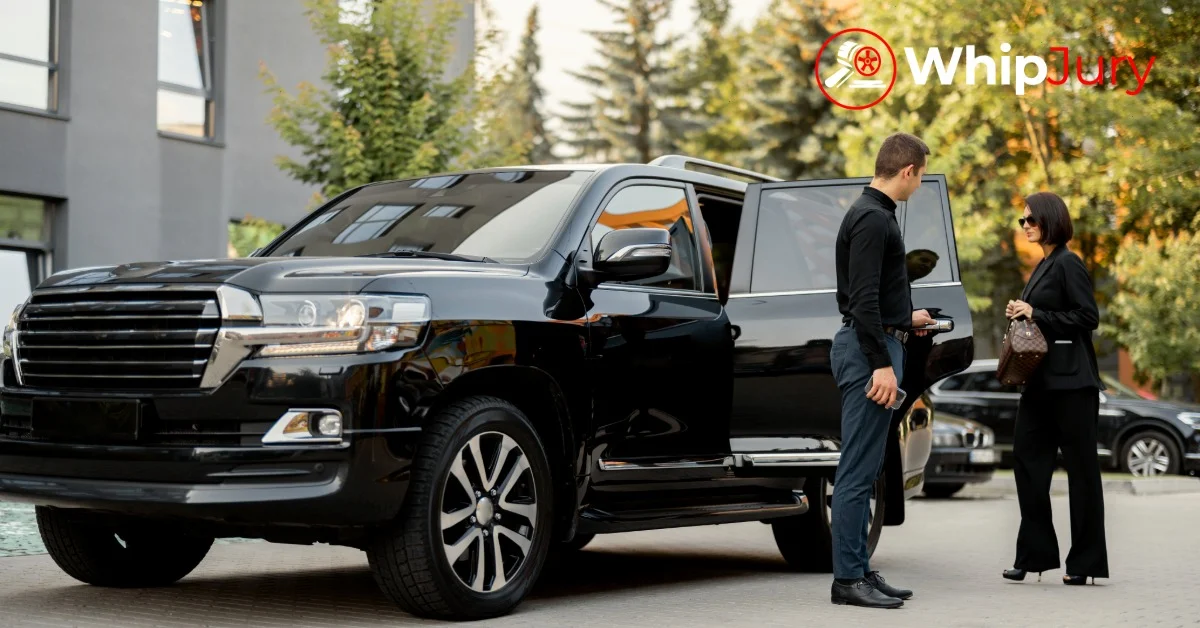
SUVs are tall, upright, and vertical by definition. The elevated ride height that buyers wanted for visibility and perceived safety works directly against every design principle that makes a car visually compelling. You cannot have a dramatically sloping roofline when rear passengers need to sit upright at an elevated height. You cannot have tight wheel arches when ground clearance is a selling point. The SUV's practical advantages are inseparable from its design disadvantages and the market chose the practical advantages overwhelmingly.
When manufacturers followed the money into SUVs they did not just change the body style. They shifted their entire design capability and investment toward a format that fights against good design at the architectural level. The designers who would have been working on the next great sports sedan spent the 2000s and 2010s trying to make a tall boxy crossover look interesting, which is a harder problem with a lower ceiling.
The Coupe SUV Was the Wrong Solution
The industry's response to the design problem created by SUVs was the coupe SUV, and it solved almost nothing. Dropping the roofline of a BMW X6 or a Mercedes GLE Coupe by two inches while preserving the elevated ride height and upright stance produces a vehicle that is worse at being an SUV and not convincing as a coupe. The visual tension is unresolved. The car wants to be two things and succeeds at neither.
The buyers who purchased coupe SUVs were not buying them because they looked great. They were buying them because they looked better than the standard SUV alternative, which is a much lower bar than it sounds. Winning a design contest against the Hyundai Tucson is not a design achievement.
What Got Lost That Is Not Coming Back
The mid-size sports sedan. The affordable coupe. The performance wagon. These are the body styles that produced the BMW E46, the Honda Accord Coupe, the Mazda6, the Subaru Legacy GT. Cars that looked genuinely good, were attainable by real buyers, and existed because manufacturers were competing on design at a mass market price point. That competition is essentially over because the mass market stopped caring.
What replaced it is a tier system where beautiful design is either very expensive, BMW M4, Porsche 911, Genesis G90, or very niche, Toyota GR86, Mazda MX-5. The middle ground where a $30,000 car could look genuinely great because manufacturers were investing real design effort at that price point has largely collapsed. The $30,000 budget now buys you a crossover that is aggressively competent and visually forgettable.
The One Thing the SUV Boom Got Right
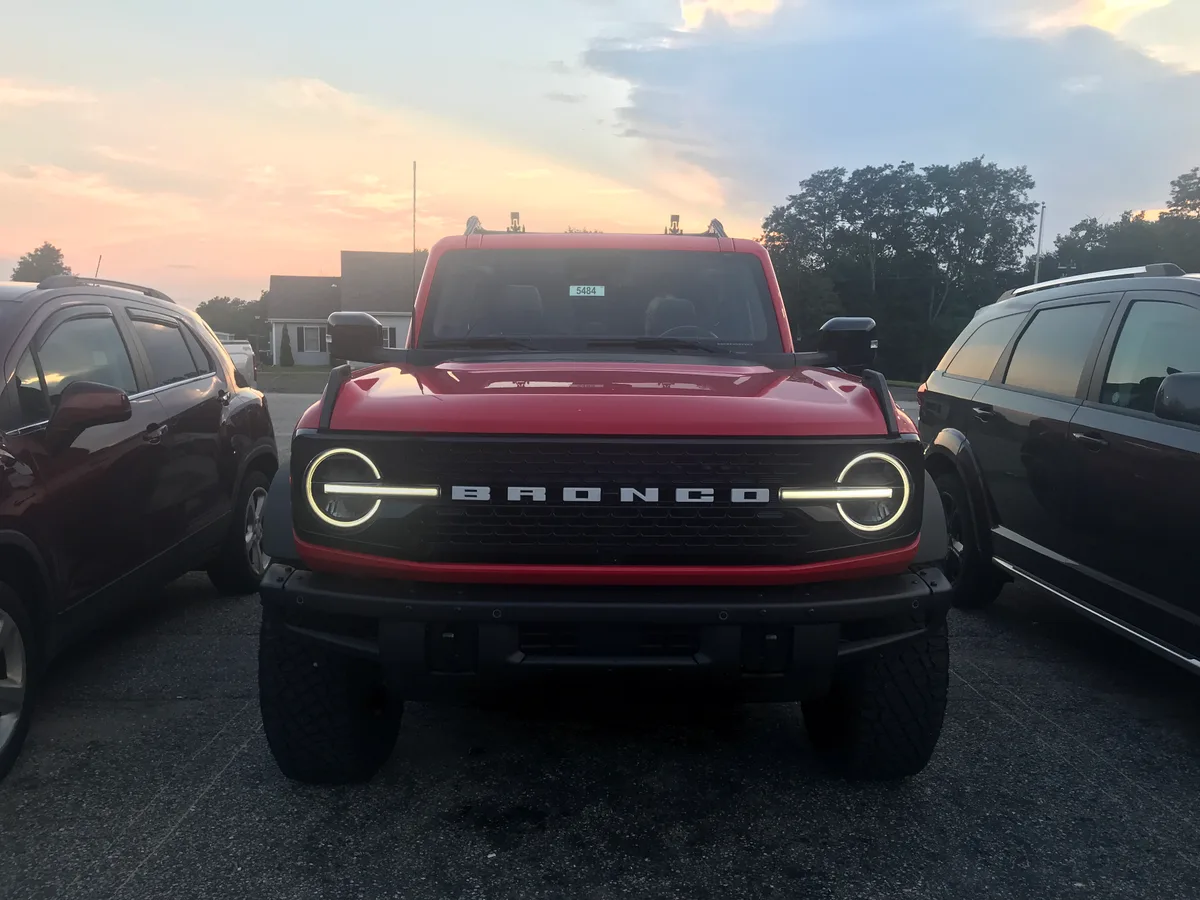
A handful of manufacturers used the SUV's design constraints as an actual design challenge rather than a concession to market reality. The Land Rover Defender. The Jeep Wrangler at its best. The original Range Rover. These vehicles embraced the upright utilitarian body as an aesthetic rather than apologizing for it. They looked like what they were without trying to look like something else, which is the same principle that makes a well-designed sedan great applied to a completely different format.
The problem is that this approach works for maybe five vehicles across the entire segment. The other two hundred crossovers and SUVs in the market are trying to look sporty and elegant within a format that resists both, and most of them fail in ways that are immediately visible in a faceoff.
The sedan is not dead. It is just no longer the default, and that shift cost car design more than any single styling decision ever could. The cars that rate highest on WhipJury are almost never crossovers and that is not a coincidence. Put any well-designed sedan from 2005 in a faceoff against the average 2024 crossover and see what happens.
Frequently Asked Questions

Jeffrey Wiley has spent more time than he'd like to admit thinking about what makes a car look right. He writes about automotive design, car culture, and the opinions people have strong feelings about. He lives in north Georgia.