Studebaker Cars
Classic · 3 models
Studebaker: The Wagon Maker That Built Cars in South Bend for 60 Years
ClassicStudebaker was an American wagon and car maker based in South Bend, Indiana, founded by the Studebaker brothers in 1852. It built horse-drawn wagons for decades and cars from 1902 until 1966, including the bullet-nose Champion, the Hawk, and the fiberglass Avanti.
Studebaker models we cover
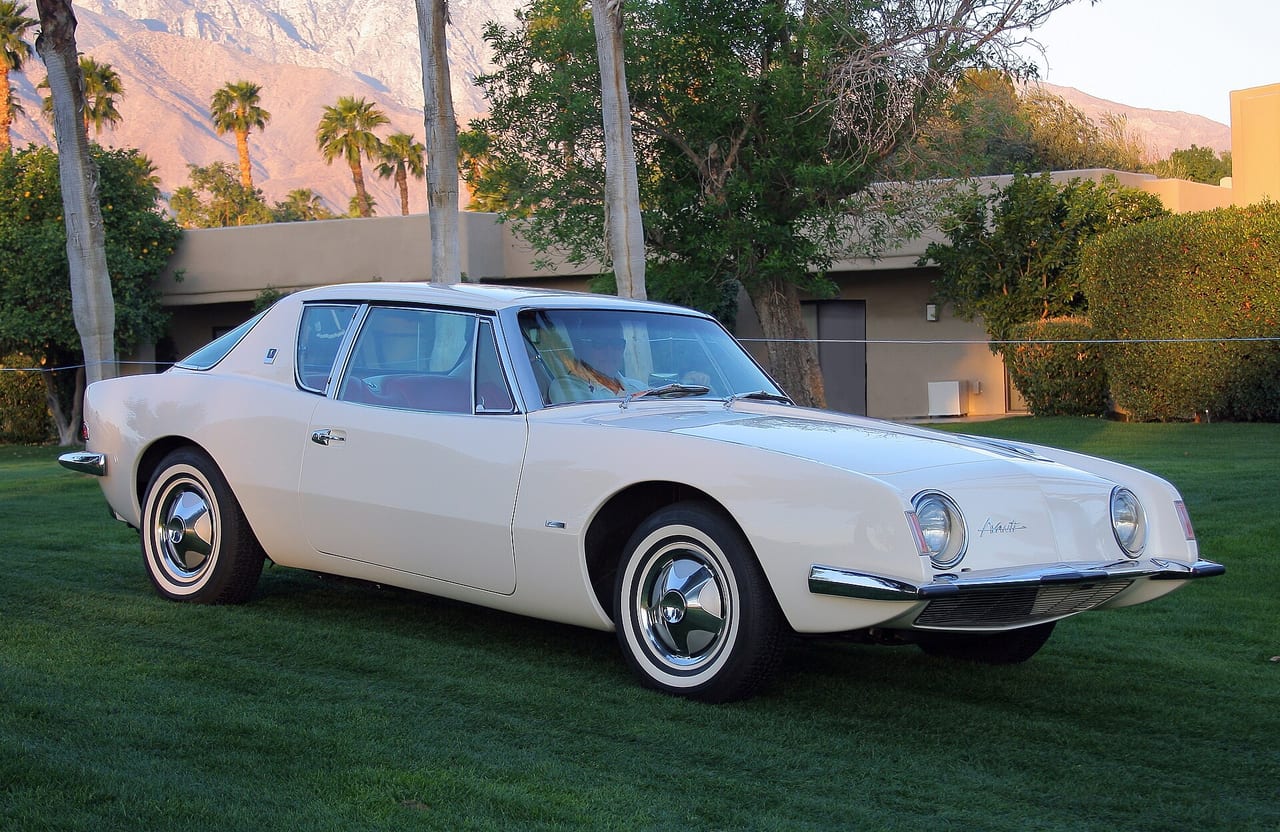
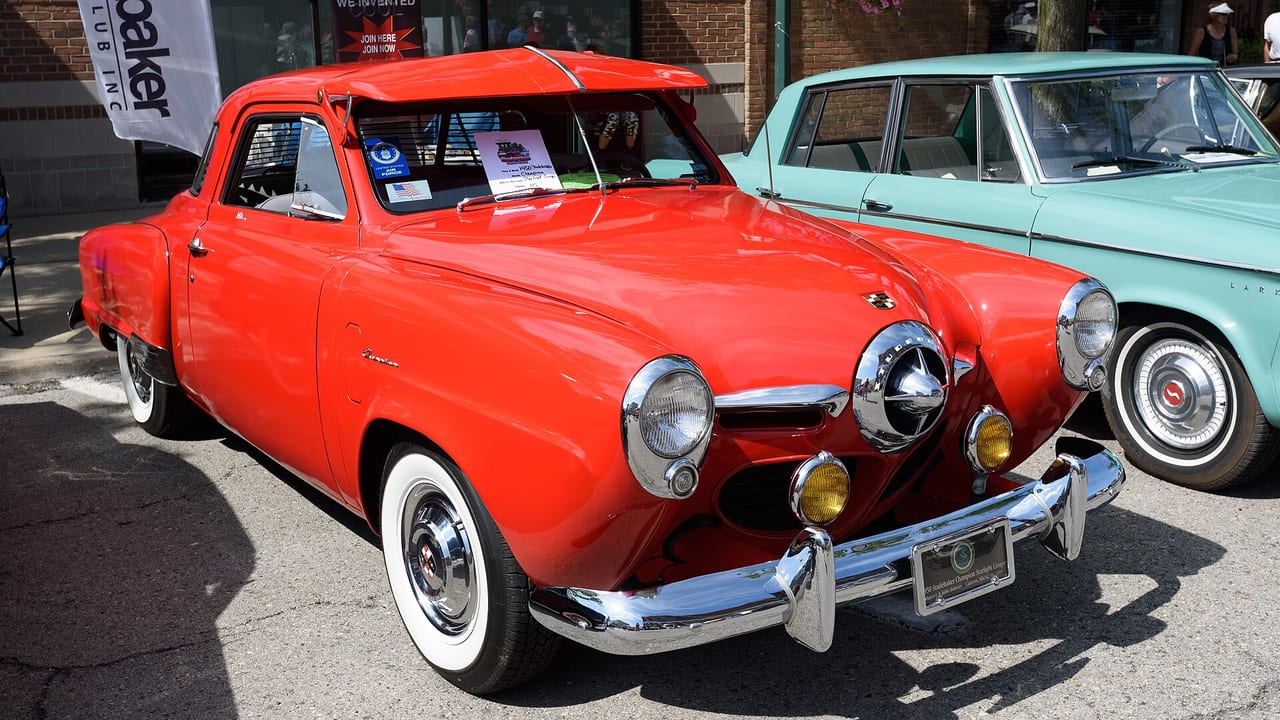
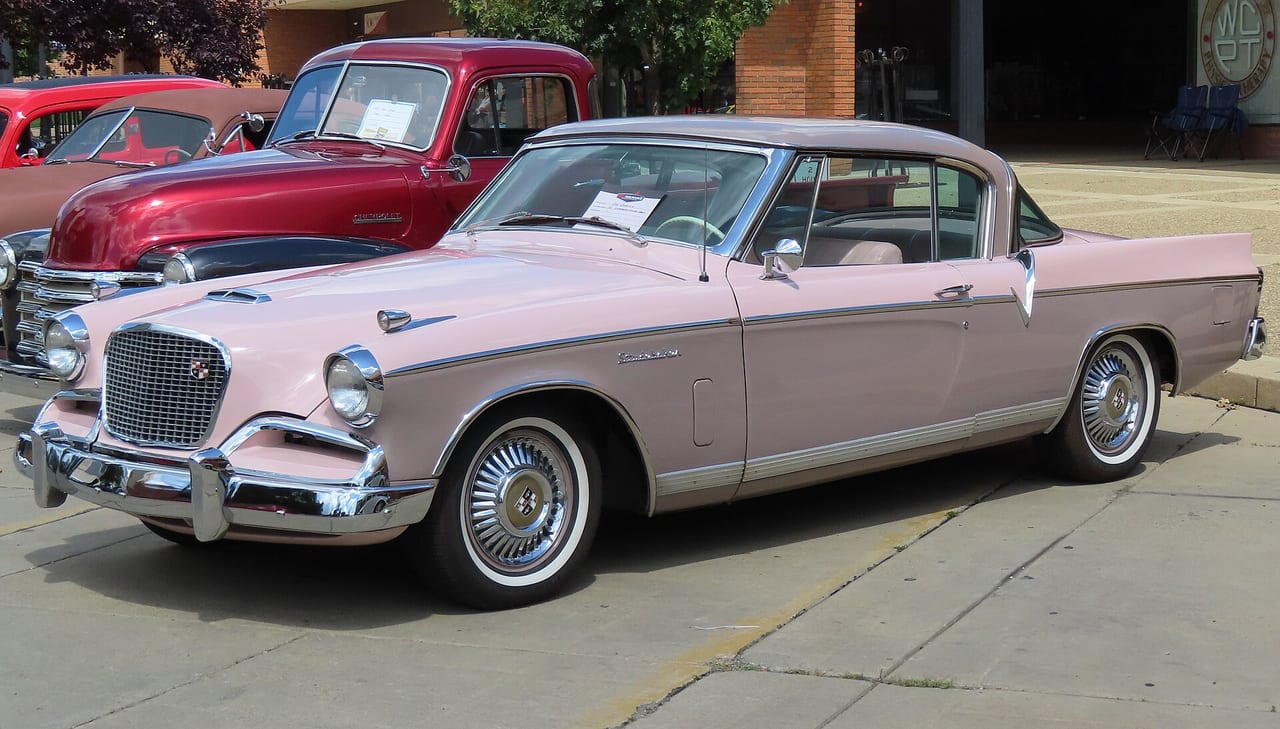
Henry and Clement Studebaker started as blacksmiths in South Bend in 1852, making parts for freight wagons and then whole wagons, and brother John Mohler Studebaker put in $8,000 he'd saved making wheelbarrows during the California Gold Rush. Wagons for the Union Army during the Civil War built the business, and after a fire destroyed two-thirds of the works in 1874, the company rebuilt in brick and called itself "the largest vehicle house in the world." By 1900 about 3,000 workers were turning out more than 100,000 horse-drawn vehicles a year. The wagons pulled by the Budweiser Clydesdales are still Studebakers, built around 1900.
Studebaker started selling electric cars in 1902 and gasoline cars in 1904, and the first gas cars it built entirely by itself went on sale in 1912. It controlled Pierce-Arrow from 1928, went into receivership in 1933, and was back in profit by the end of that year. During World War II it built nearly 200,000 US6 army trucks in South Bend, mostly for export under Lend-Lease, plus the tracked M29 Weasel. The Soviet Union was the biggest foreign user of the trucks, and its soldiers called them "Studers." Raymond Loewy's design studio gave Studebaker its look, and in 1947 it launched the first all-new American car after the war under the slogan "First by far with a post-war car." The Champion, the Golden Hawk, and the Avanti all came from that partnership.
Packard bought Studebaker in 1954, but the combined company couldn't keep up with Ford and General Motors on price, and Wikipedia also points to high labor costs and quality problems. South Bend car production ended in December 1963, when Studebaker was the largest employer in its county. Cars carried on at its plant in Hamilton, Ontario, until the last one left the line on March 17, 1966. That year the company gave its collection of vehicles to the city of South Bend, and it became the core of the Studebaker National Museum, which also holds the carriage Abraham Lincoln rode to Ford's Theatre. Clement Studebaker bought that carriage in 1890.