What is Water Injection?
Water injection sprays a fine mist of water or a water-methanol mix into the intake to cool combustion temperatures, allowing an engine to run more boost or ignition timing safely.
Water injection introduces a fine atomized mist of water, or a mixture of water and methanol, into an engine's intake air before or during combustion. As the water evaporates, it absorbs heat from the intake charge and combustion chamber, lowering peak cylinder temperatures. This cooling effect reduces the risk of detonation, the uncontrolled, damaging combustion event that limits how much boost pressure or ignition timing an engine can safely run, particularly in turbocharged and supercharged applications where intake air temperatures rise significantly under load.
The concept predates the automotive performance world by decades; water and water-methanol injection were used on high-output piston aircraft engines during World War II to allow military aircraft to run higher manifold pressure for short bursts of extra power during takeoff or combat without engine damage. The same physics apply to automotive engines: by suppressing detonation, water injection lets an engine safely use more boost or more aggressive ignition timing than it could on air alone, extracting additional power, or it can be used purely as a safety margin to protect an engine running near its detonation limit.
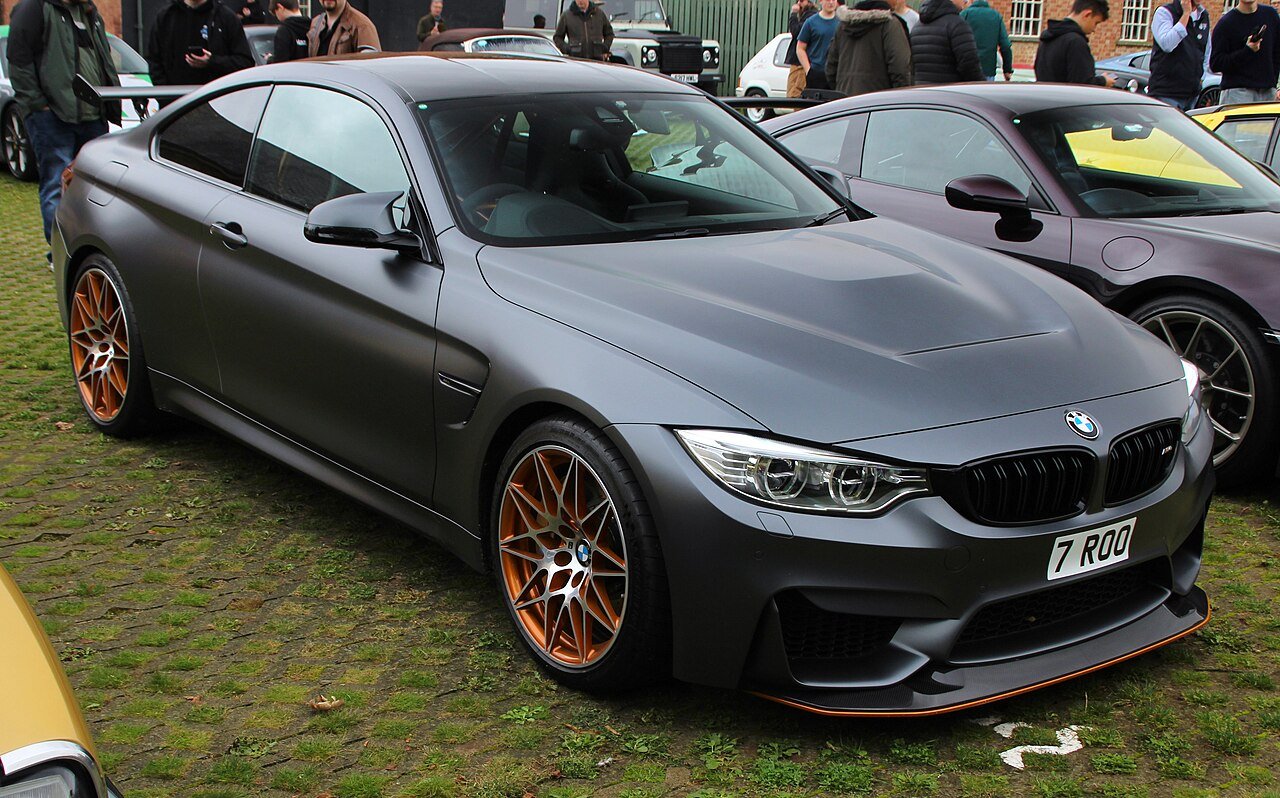
Water injection reappeared as a factory feature on modern high-performance cars, most notably BMW's M4 GTS and later variants of the M4 CSL, which used it to allow a smaller-displacement turbocharged engine to run higher boost pressure reliably. In the aftermarket, water-methanol injection kits remain common among owners tuning turbocharged and supercharged engines beyond factory boost levels, both for the added power potential and as insurance against knock at higher power outputs.