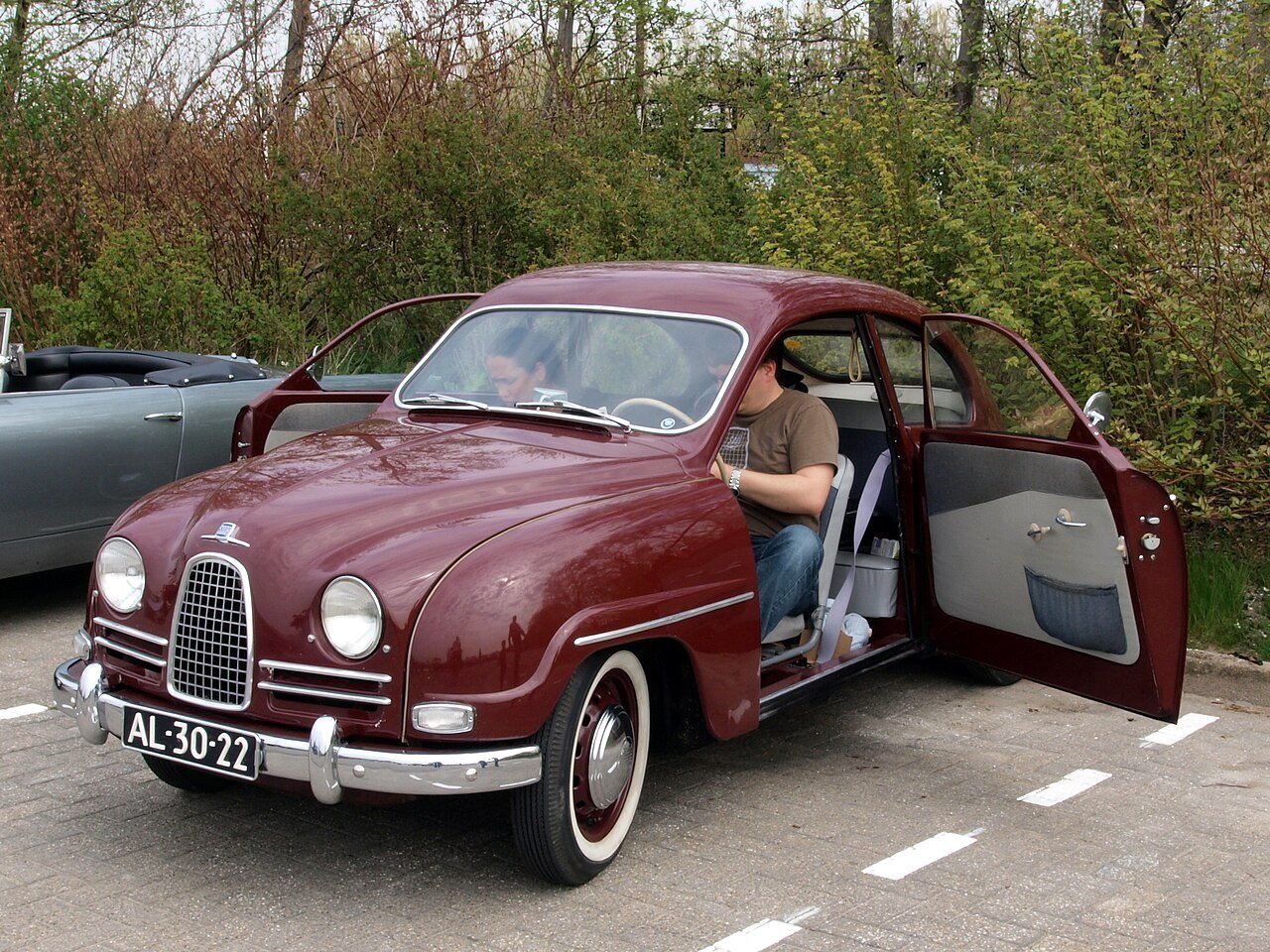
What is Suicide Doors?
Suicide doors are rear-hinged doors that open backward against the direction of travel, a layout used historically on cars like the Lincoln Continental and revived on modern Rolls-Royce models.
Suicide doors are hinged at the rear edge of the door frame rather than the front, so the door swings open toward the back of the car, against the direction of travel, instead of the conventional forward-hinged arrangement most cars use today. The layout was common in the early decades of the automobile, when door designs varied widely, but the informal name suicide doors emerged later, reflecting the safety concern that a rear-hinged door could be caught by oncoming wind or airflow at speed and forced open, or torn off entirely if it came open while the car was moving.
Despite the ominous nickname, rear-hinged doors saw a notable revival in the mid-20th century, most famously on the Lincoln Continental of the 1960s, where they were paired with a four-door convertible or hardtop body style and functioned as a distinctive luxury styling cue rather than a safety hazard, since modern latch and hinge engineering addressed the original concerns. Coach doors is the preferred, non-pejorative industry term manufacturers typically use for the same layout, especially when highlighting it as a deliberate design and access feature rather than a historical curiosity.
Rolls-Royce has kept the layout alive in the modern era, using rear-hinged coach doors on models including the Phantom, Ghost, and Wraith, engineered with power-assisted opening and closing and modern safety systems that prevent the doors from swinging open unintentionally. The layout offers a genuine practical benefit in this application: rear-hinged doors open wide and create a more graceful, ceremonial entry and exit for rear passengers, which fits the brand's chauffeur-driven positioning.