DuelsLeaderboardGarageBlogCarsGlossaryBrowse

Pillarless Hardtop

Car culture term

Pillarless Hardtop
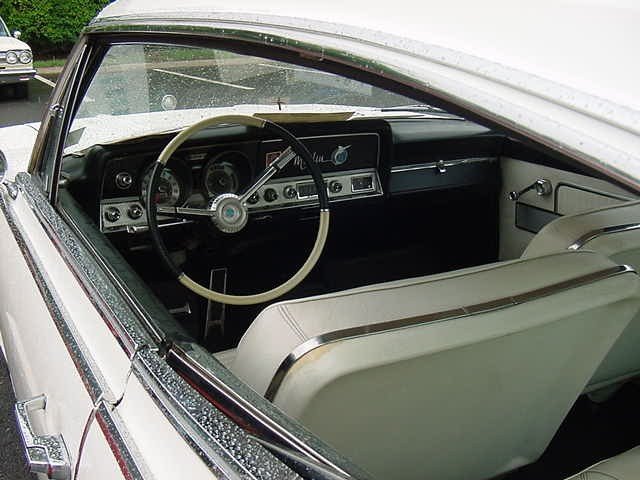
Photo: CZmarlin — Christopher Ziemnowicz, releases all rights but a photo credit would be appreciated if this image is used anywhere other than Wikipedia. Please leave a note at Wikipedia here. Thank you! / Wikimedia Commons · Public domain

What is Pillarless Hardtop?

A pillarless hardtop is a body style with no B-pillar between the front and rear side windows, so all the glass can drop fully for an open-air look with the roof still in place.

A pillarless hardtop is a fixed-roof body style built without a B-pillar, the vertical structural piece that normally sits between the front and rear doors on a sedan or coupe. Without that pillar, the front and rear side windows can retract fully into the doors and body, leaving an unbroken expanse of open window space along the side of the car when all the glass is down, an effect that gave these cars a light, open-air look while retaining a solid, weatherproof roof, unlike a true convertible.

The style reached its peak popularity in American cars from the 1950s through the early 1970s, appearing across two-door and four-door body styles from nearly every major domestic manufacturer, often marketed under names like Hardtop Coupe or Hardtop Sedan to distinguish them from pillared sedans of the same model line. The lack of a B-pillar gave these cars a distinctive, uninterrupted roofline and glass area that became closely associated with mid-century American design, though it also meant the roof relied more heavily on the windshield frame, rear window frame, and door structures for rigidity, since the continuous B-pillar found on other body styles normally contributes meaningfully to structural strength.

Pillarless hardtops largely disappeared from mainstream production by the mid-1970s as rollover safety and side-impact crash standards tightened, since a B-pillar provides structural support that is difficult to replicate without it, particularly in a rollover. A small number of modern cars, including certain Mazda and Lexus coupes and some Japanese-market sedans, have used variations on the pillarless concept, but the pure American-style four-door pillarless hardtop is now largely a feature of the classic car market rather than current production.

Related terms

CoupeSedanConvertibleRestomodBarn find

Frequently asked questions

What makes a car a pillarless hardtop?
It has no B-pillar, the structural post normally located between the front and rear doors, which allows the front and rear side windows to drop fully and create an open, unbroken glass area with the roof still in place.
Is a pillarless hardtop the same as a convertible?
No. A pillarless hardtop has a fixed, solid roof at all times; only the B-pillar is missing. A convertible has a roof that folds away or retracts entirely, exposing the cabin to open air above as well as at the sides.
Why did pillarless hardtops disappear?
Tightening rollover and side-impact crash safety standards through the 1970s favored the added structural rigidity a B-pillar provides, which made the pillarless design increasingly difficult to justify in mainstream production vehicles.
What era of cars used pillarless hardtops?
The design peaked in American cars from the 1950s through the early 1970s, appearing on two-door and four-door models across most major domestic manufacturers before fading out by the mid-1970s.
Do any modern cars use a pillarless design?
A handful of modern coupes and some Japanese-market sedans have used variations on the pillarless concept, but the classic four-door pillarless hardtop popular in mid-century America is now largely found in the classic car market rather than new production.

Pillarless Hardtop on the blog

Two-Door vs Four-Door: The Design Trade-Off Nobody Talks About

The debate about two-door versus four-door cars almost always ends up in the same place. Two doors look better. Four doors are more practical. Case closed, move on. But that framing skips over something more interesting, which is why the two-door almost always looks better, what specifically it does to a car's proportions, and the cases where the four-door actually wins...

Back to Glossary