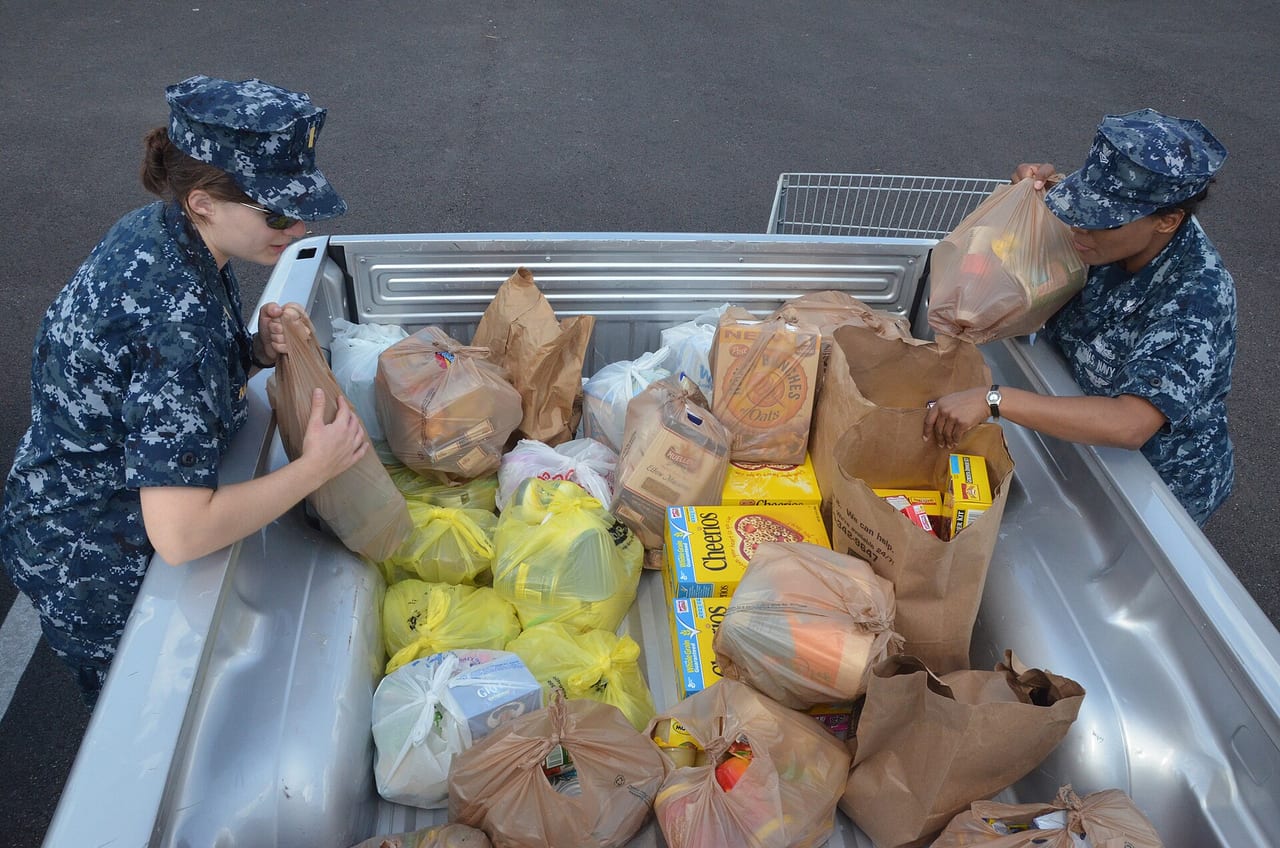
What is Payload?
The weight of passengers and cargo a vehicle is rated to carry, found by subtracting its curb weight from its gross vehicle weight rating (GVWR).
Payload is how much weight a vehicle can carry on top of its own. Two numbers define it. Curb weight is the vehicle with its standard equipment and fluids but no passengers or cargo. The gross vehicle weight rating, or GVWR, is the maximum the manufacturer says the vehicle can weigh in operation, counting the vehicle, fuel, accessories, driver, passengers, and cargo, but not a trailer. Subtract curb weight from GVWR and what's left is the payload capacity. People count toward it, so passengers use up part of it before anything goes in the bed.
Truck names still carry the idea. The terms half-ton, three-quarter-ton, and one-ton date from a time when the number referred to a truck's maximum cargo capacity, which is why a Ford F-150 is still called a half-ton and an F-250 a three-quarter-ton. Today the names work as size classes. Leaf springs are common on trucks partly because they support a large payload.
GVWR also sorts vehicles legally. In the United States, three important GVWR limits are 6,000, 8,500, and 26,000 pounds. Above 8,500 pounds a vehicle is exempt from EPA fuel economy ratings, which is why the Ford Excursion never had an official mpg figure. Above 26,000 pounds a driver generally needs a commercial driver's license. Payload is separate from towing capacity, which covers what a vehicle can pull behind it.