General Motors is putting Apple CarPlay and Android Auto back into its vehicles, reversing a push that saw it strip phone mirroring from its electric cars and float doing the same across its entire lineup.
There's a catch though... The catch is how it will look. GM says phone content will appear "in a large card window alongside native apps like trailering and vehicle status," integrated "with our native system, giving customers the best of both worlds." The new interface arrives on GM's trucks first, then expands across electric, gas, and diesel models.
A surrender with conditions
The card window is the detail that matters. Most carmakers let CarPlay take over the whole central screen. GM's version keeps the phone in a panel while GM's own apps hold the rest of the display, so the company keeps its software front and center while giving drivers what they asked for.
That's a compromise rather than a full retreat. The usual case for built-in software is that it lets a carmaker control the experience, sell subscriptions, and keep the data, while phone projection hands much of that to Apple and Google.
Drivers, for the most part, just want their phones to work. Taking phone mirroring out of new Chevrolet EVs asked buyers to give up something they already used every day.
Why the timing makes sense
The broader data points the same way. J.D. Power found that infotainment was the only quality category to get worse this year, and that problems connecting CarPlay and Android Auto were the single biggest contributor. People clearly want their phones to work in their cars, and they get irritated when they don't.
It also fits a company that's been adjusting its EV-first posture. GM chief executive Mary Barra has said electric cars remain GM's endgame, but on a longer timeline and with fewer hard lines drawn in the sand.
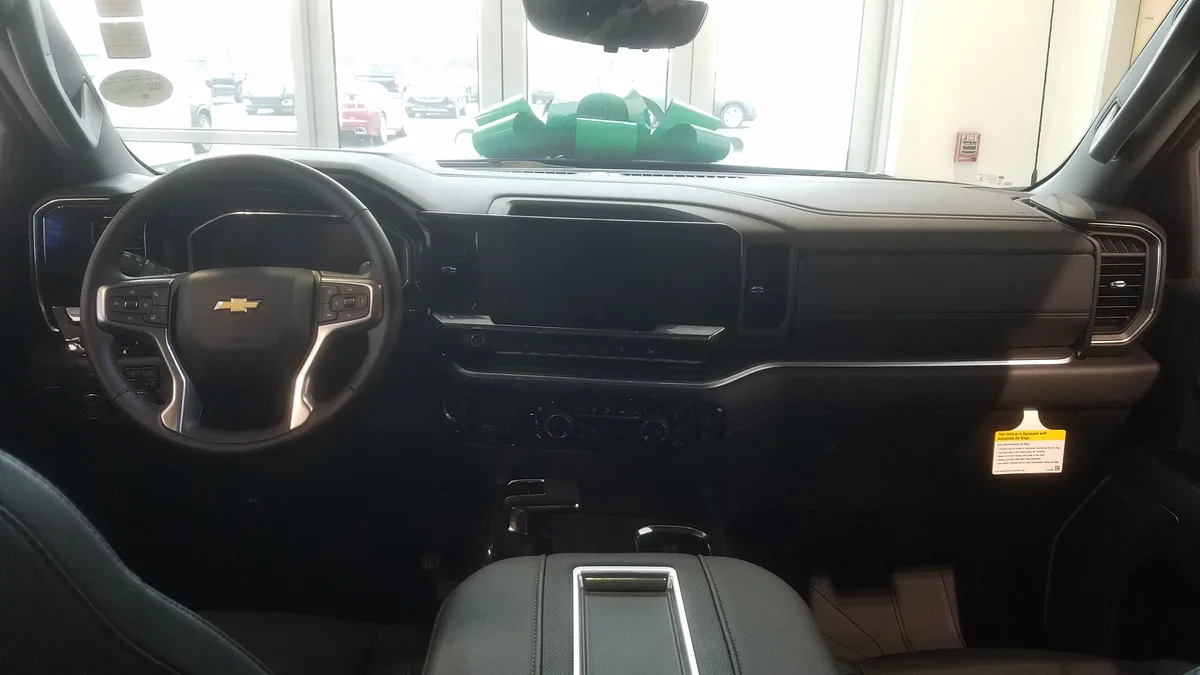
For a site about how cars look and feel, the interesting question is the dashboard. A card-window CarPlay means GM's screen layouts have to make room for two design languages at once, Apple's or Google's and GM's own, on the same slab of glass. Whether that reads as tidy or cluttered will depend entirely on execution.
Start with the trucks it lands in first. Put a Silverado interior against a rival's on WhipJury once the new screens arrive, and see which cabin people actually prefer.
Sources:
GM's statement, the card-window layout, and the truck-first rollout: The Drive
Earlier plans to remove phone mirroring beyond EVs: CarBuzz
Frequently Asked Questions

Jeffrey Wiley has spent more time than he'd like to admit thinking about what makes a car look right. He writes about automotive design, car culture, and the opinions people have strong feelings about. He lives in north Georgia.