BMW i3
Euro · BMW

The carbon-fiber city EV (2013-2022). Quirky, efficient, with an optional range-extender.
The BMW i3 was a pioneering electric city car built on a carbon-fiber-reinforced plastic passenger cell, an unusual and advanced construction for a mass-market EV. Produced from 2013 to 2022, it offered a distinctive tall, narrow body, rear-hinged coach doors, and a sustainable interior. Early cars had modest range, improved over time, and a range-extender (REx) version added a small gas engine as a generator to ease range anxiety. The sporty i3s added more power and a wider track. The i3 was a forward-thinking, polarizing design that aged into a cult favorite. On WhipJury, the i3 appears as a quirky, distinctive electric submission.
i3 specifications
Rear-mounted electric motor, carbon-fiber-reinforced plastic body. Battery-electric or range-extender (REx) with a small gas generator. Sporty i3s variant with more power. Produced 2013-2022.
i3 on WhipJury
A cult EV, valued for its carbon construction and distinctive design.
Frequently asked questions about BMW i3
More on the BMW i3
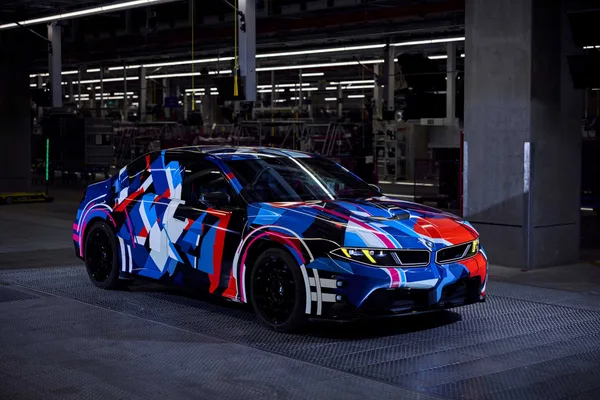
BMW M built its one-millionth car, a Fire Orange M3, in Munich, and used the moment to show the electric M3 in its lightest camouflage yet. The four-motor sedan will be built in Munich and is expected to debut in 2027.
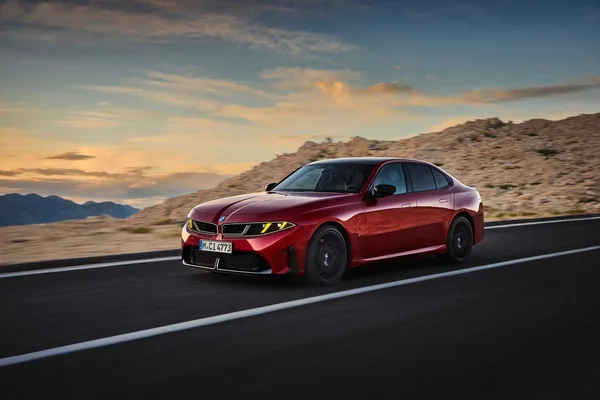
BMW revealed the eighth-generation 3 Series with the Neue Klasse face, a 437-hp M350 xDrive, and a Drift Moment feature that sends all the power to the rear wheels. Prices start at $49,900 when it arrives in early 2027.
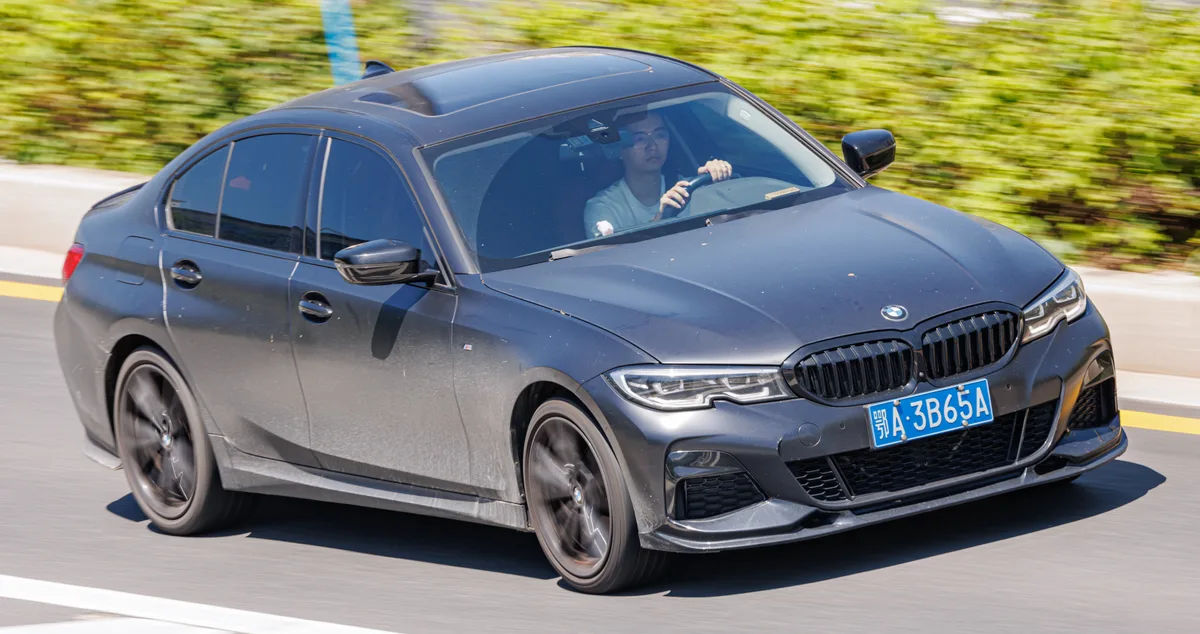
The next-generation BMW 3 Series, an M350 xDrive, has been photographed undisguised in Munich. The clearest change is at the back, with wide taillights that stretch almost to the center of the trunk and a busier, heavily creased bumper borrowed from the electric Neue Klasse i3. Production starts in the second half of this year.