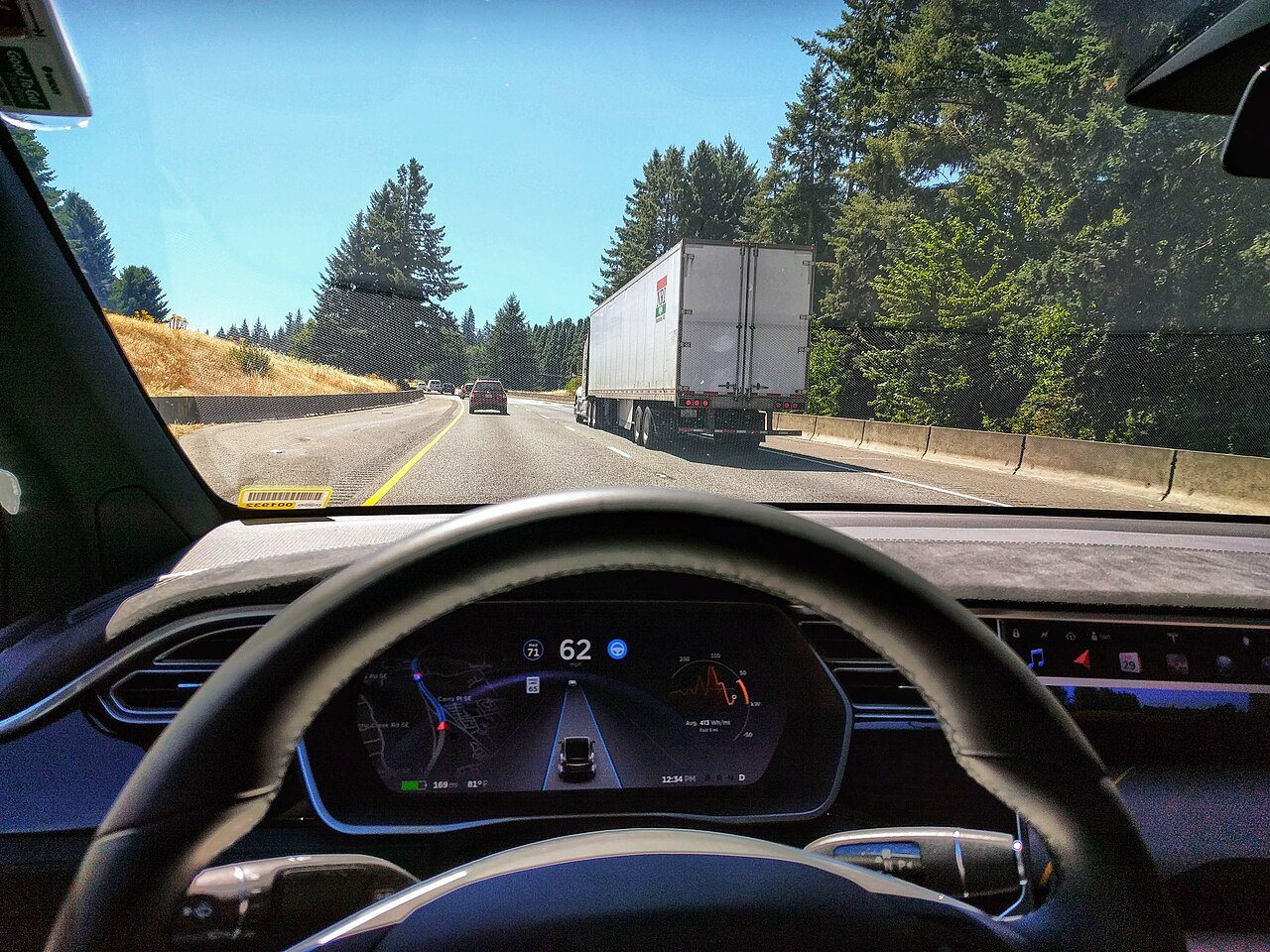
What is ADAS?
ADAS, or Advanced Driver Assistance Systems, is the umbrella term for technologies like adaptive cruise control, lane keeping, and automatic emergency braking.
ADAS stands for Advanced Driver Assistance Systems, a broad category covering electronic technologies designed to assist a driver rather than fully replace them. These systems use a combination of sensors, such as cameras, radar, and sometimes lidar, along with onboard computers to monitor the vehicle's surroundings and either alert the driver or intervene directly in limited ways.
Common ADAS features include adaptive cruise control, which adjusts vehicle speed to maintain distance from traffic ahead, lane keep assist, which nudges the car back toward its lane, automatic emergency braking, which can apply the brakes if a collision is imminent and the driver hasn't reacted, and blind spot monitoring, which warns of vehicles in adjacent lanes. Many of these features are increasingly bundled together and offered as standard equipment rather than optional extras.
ADAS is generally distinguished from full self-driving or autonomous vehicle technology; most ADAS features fall under lower levels of the SAE's driving automation scale, where the human driver is still expected to remain attentive and in control of the vehicle. Regulatory bodies in several countries have moved toward requiring certain ADAS features, such as automatic emergency braking, as standard safety equipment on new vehicles.