Dodge Viper
Dodge
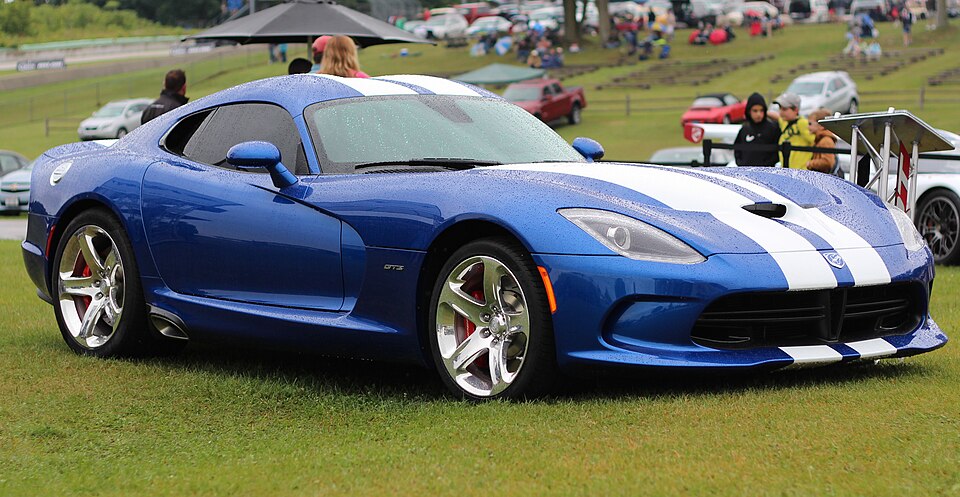
Dodge's no-compromise supercar. 8.0-liter (later 8.4-liter) V10, six-speed manual, no driver aids. Five generations from 1992 to 2017.
The Dodge Viper is an American supercar produced from 1992 to 2002 (first generation), 2003 to 2010 (second), 2013 to 2017 (third generation, after a brief hiatus). The Viper was conceived as a modern Cobra: a no-compromise sports car with a massive engine, minimal driver aids, and aggressive driving character. The original Viper RT/10 had no door handles, no exterior door locks, no traction control, no adjustable dampers, and 400 horsepower from an 8-liter V10. The Viper generations: First (1992-2002, RT/10 and GTS variants), Second (2003-2010, SRT-10), and Third (2013-2017, last generation). Each generation refined the formula but maintained the core character. The Viper ACR variants (track-focused) of the second and third generations set Nürburgring lap records that beat Porsche 911 GT3s. The Viper ACR was widely considered the most extreme American production track car of its era. The Viper used various V10 engines. The 8.0-liter V10 (in early Vipers) made 400 horsepower. The 8.3-liter V10 (in second-generation SRT-10) made 500 horsepower. The 8.4-liter V10 (in third-generation Viper) made 645 horsepower in standard SRT trim and 645 horsepower in ACR. Six-speed manual transmission throughout production; no automatic was offered. Viper ended production in 2017. Dodge has not announced a successor. The Viper was retired due to declining sales (the niche supercar market had contracted) and changing safety regulations the chassis could not meet. The Viper remains one of the most distinctive American sports cars produced. On WhipJury, Viper submissions are uncommon but always memorable. ACR variants and modified Vipers (with built engines and chassis upgrades) reliably top voting. The community recognizes the Viper as the no-compromise American supercar.
Top Dodge Viper examples on WhipJury
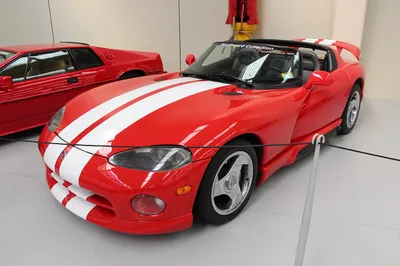
Viper generations
First (1992-2002). RT/10 (1992-2002) and GTS (1996-2002). 8.0 V10 making 400 horsepower. Original Viper.
Second (2003-2010). SRT-10. 8.3 V10 making 500 horsepower. ACR track variant introduced.
Third (2013-2017). Final generation. 8.4 V10 making 645 horsepower. Various ACR and special edition variants. Production ended 2017.
Viper on WhipJury
Viper submissions are rare but always memorable. ACR variants and modified examples reliably top voting. Stock first-generation Vipers in clean condition do well. The community recognizes the Viper as the no-compromise American supercar.