Blog
126 stories
Latest Articles
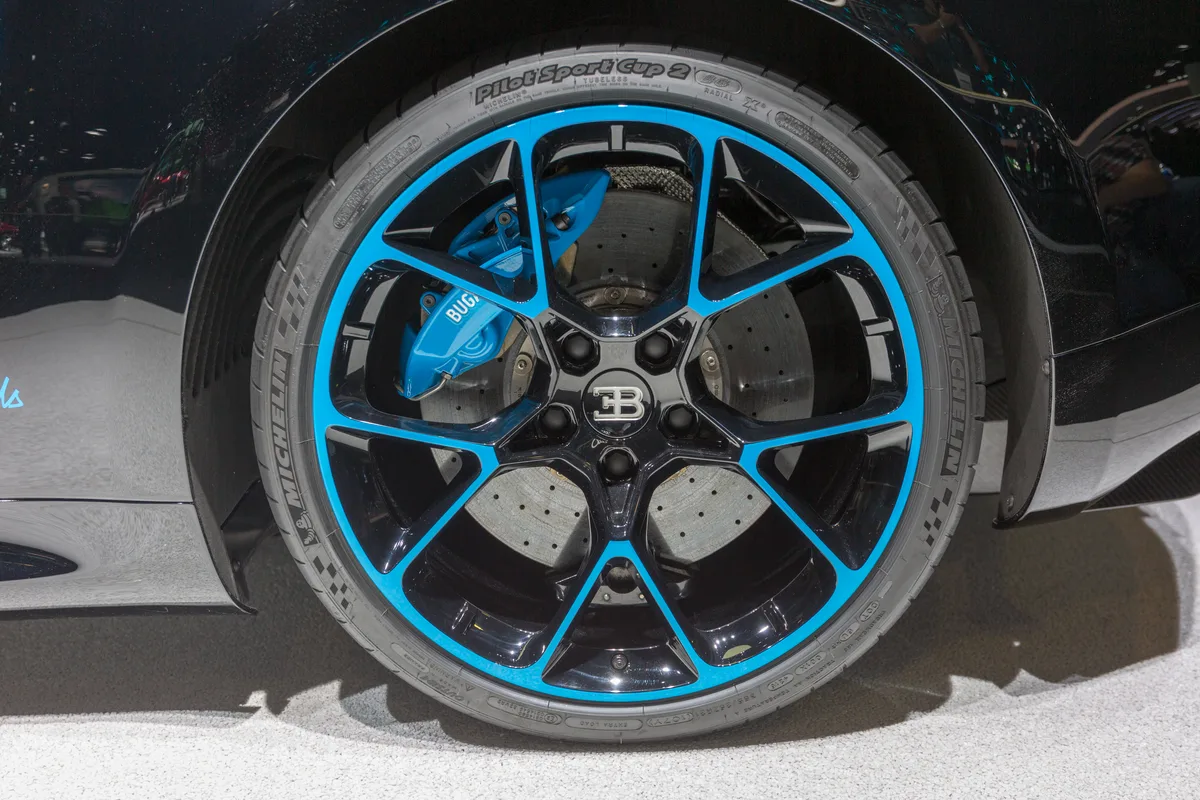
Bugatti has left Volkswagen, and a 38-year-old now runs it
Porsche has sold its 21 percent of Rimac Group and 45 percent of the Bugatti Rimac joint venture for about €1 billion, ending Volkswagen Group's involvement with Bugatti. Mate Rimac, who started by converting an old BMW to electric power in a Croatian garage, is now president of a marque founded in 1909.
 Jeffrey Wiley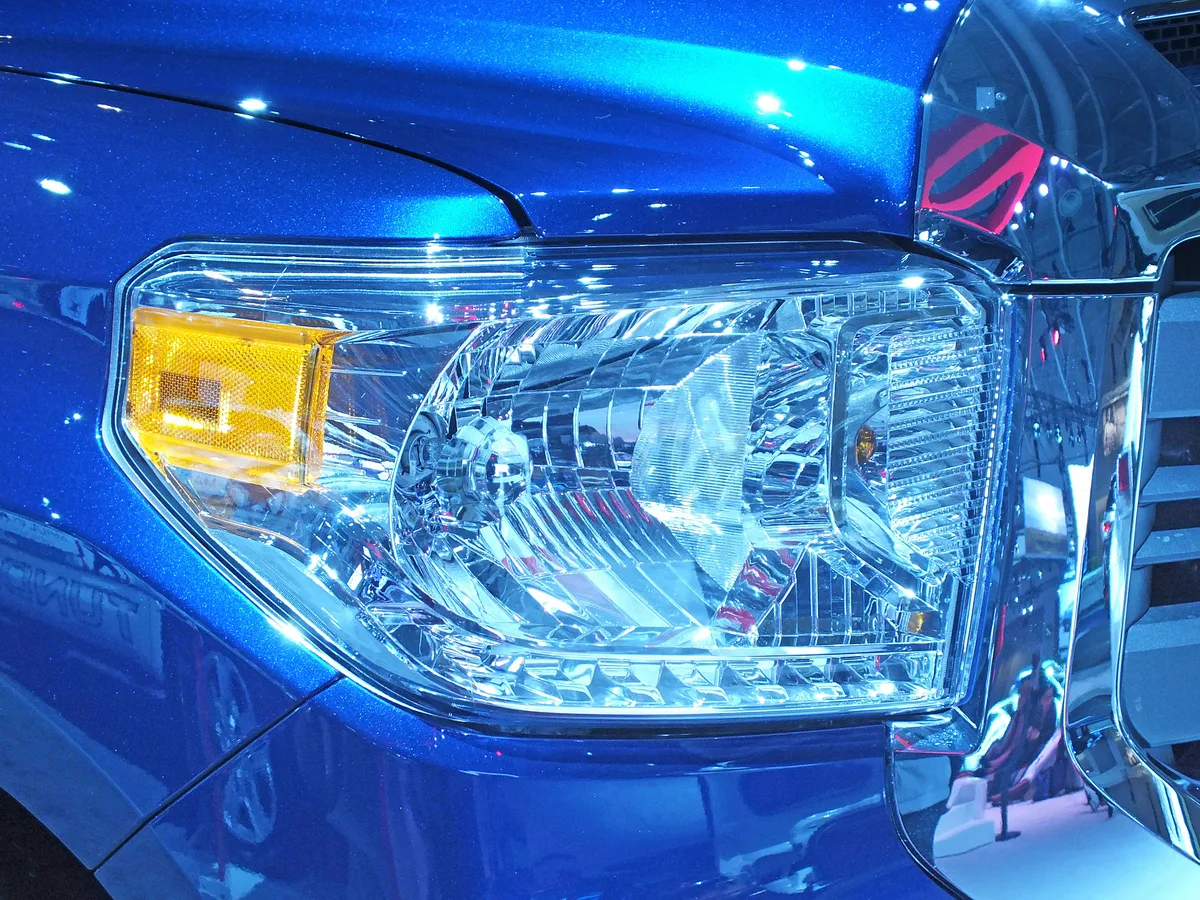
Why modern headlights feel so much brighter
Headlights got harder to look at for three reasons: LEDs put out more light and a bluer white that reads as brighter, they use arrays of small intense diodes instead of one soft filament, and the whole fleet got taller so the beams sit closer to eye level. Adaptive driving beam is the fix, and it's only now arriving in the US.
Jeffrey Wiley
The big screens are making new cars worse?
J.D. Power's 2026 Initial Quality Study found new cars improved in nine of ten categories. Infotainment was the exception, rising to 44.4 problems per 100 vehicles and accounting for a quarter of all complaints. Phone connectivity is the biggest single fault, and 46 percent of distraction complaints trace to touchscreens.
Jeffrey Wiley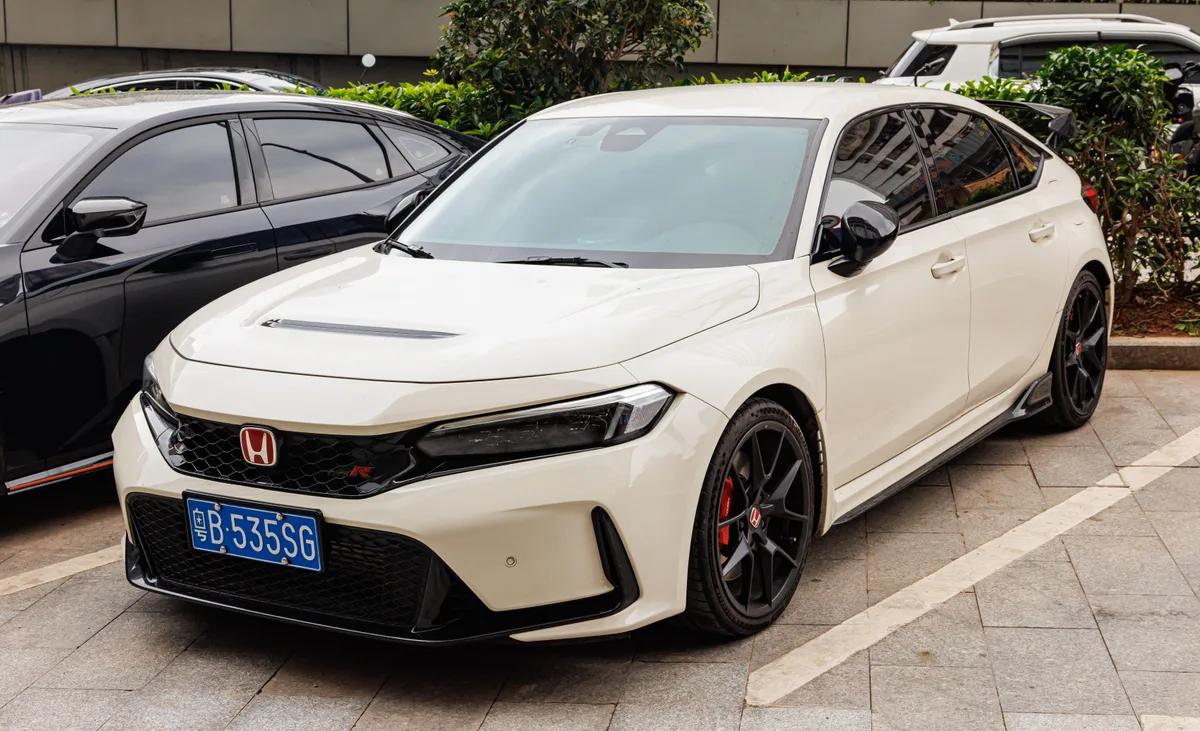
Honda's hardcore Type R HRC is reportedly heading to production
Honda Racing Corporation's track-focused Civic Type R could become a full production model by 2027, according to Japanese outlet Response. What's confirmed is the aero kit itself, which HRC president Koji Watanabe says will be sold as accessories. Takuma Sato tested it at Suzuka and called it "way better" than standard.
 Cam Walsh
GM's boss still calls electric cars the endgame
GM chief executive Mary Barra told Fortune that EVs are still the "end game" and the company's "north star," even as US demand slows and federal policy pulls back. The target is 40 to 50 percent of sales by 2030, and Barra now frames the shift as taking decades rather than hitting a fixed date.
Jeffrey Wiley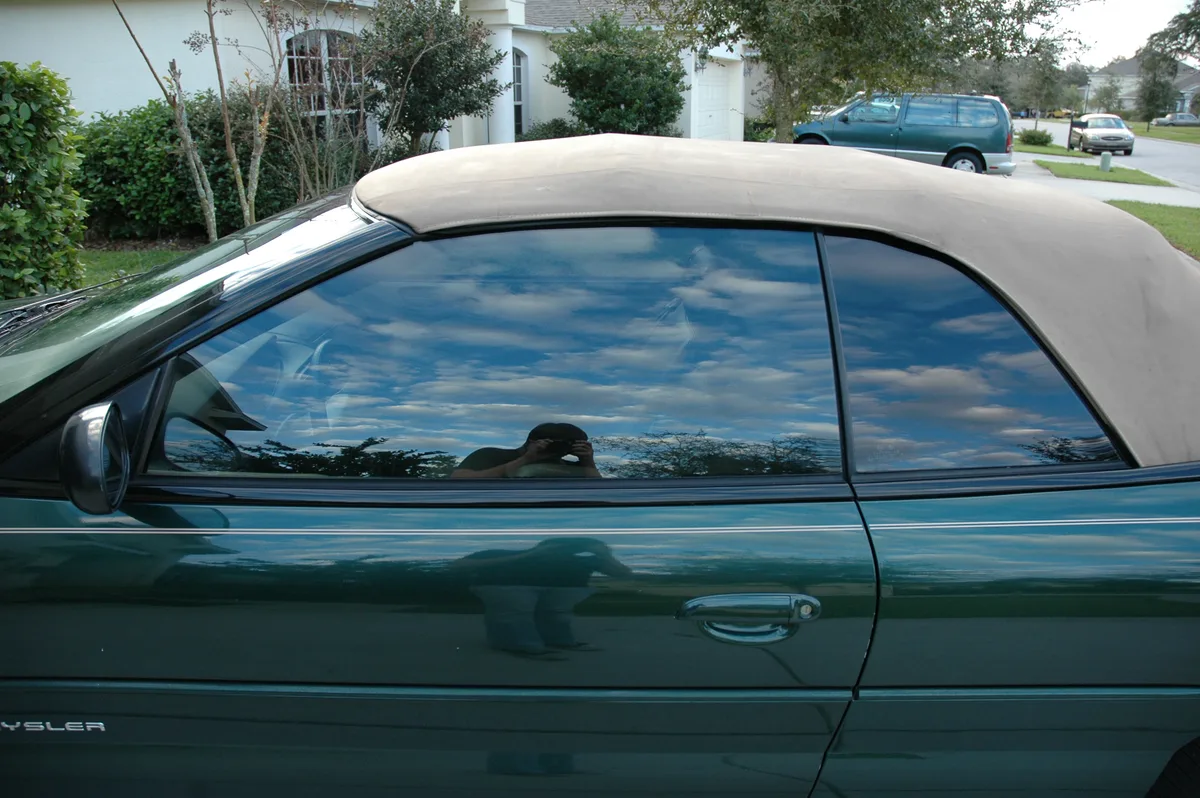
Window tint, explained: what VLT means and how dark you can legally go
VLT is the percentage of light a tinted window lets through, so lower means darker and 5 percent is limo tint. Legal limits vary hugely, from 70 percent in California and New York to 20 percent in New Mexico. Ceramic film rejects far more heat than dyed film at the same darkness.
Cam Walsh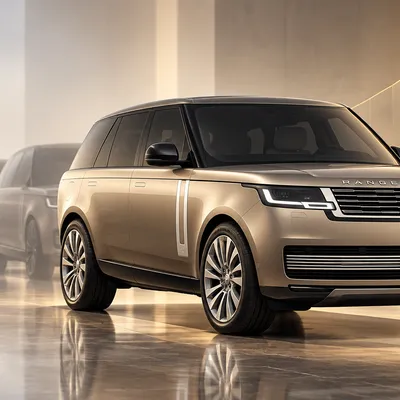
Range Rover doesn’t want to sell more cars. It wants to make each one worth more
Range Rover's marketing director says the brand's job "really is not to sell lots and lots of cars" but to build value, with managing director Martin Limpert aiming to be "in the modern luxury business" through one-to-one bespoke commissions. It's also a smart answer to the Chinese copies problem.
Jeffrey Wiley
Why round headlights are suddenly back
Round headlights are returning on the Ford Bronco, Fiat 500e, Renault 4 E-Tech and Mini after decades of narrow, angular lamps. It reads as nostalgia but it's really a technology story: LEDs freed designers from the big reflector a halogen bulb needed, so shape became free.
Jeffrey Wiley
Range Rover says the "Chinese copies are a compliment"
Range Rover boss Martin Limpert says Chinese copies like the Jaecoo J7, nicknamed the Temu Range Rover, are a badge of honor. It's a change of tone from the company that beat Landwind in a Beijing court in 2021 over five copied design features on the Evoque.
Jeffrey Wiley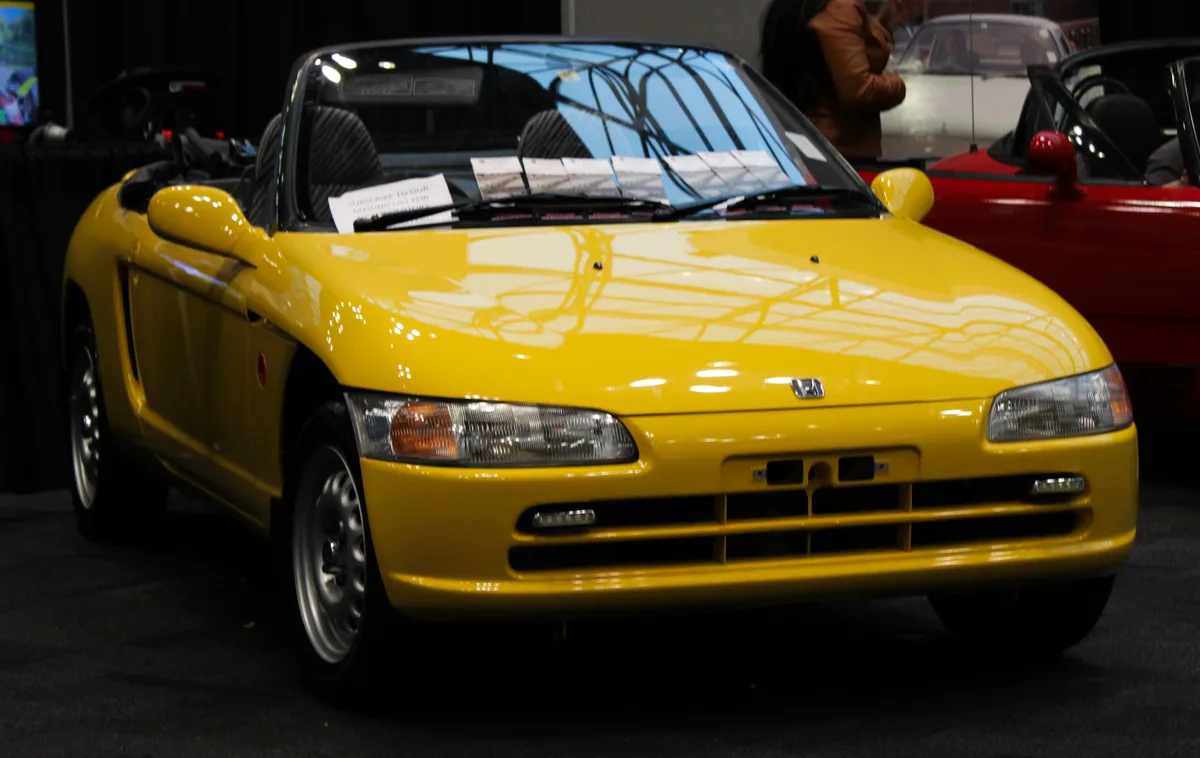
The Honda Beat is a mid-engined roadster that revs to 8,500 and makes 63 horsepower
The Honda Beat is a mid-engined, rear-drive kei roadster with a 656cc triple that revs to 8,500 rpm, makes 63 horsepower, and weighs 1,680 pounds. Pininfarina drew it, Soichiro Honda approved it as his last car, and it's now legal to import into the US.
Cam Walsh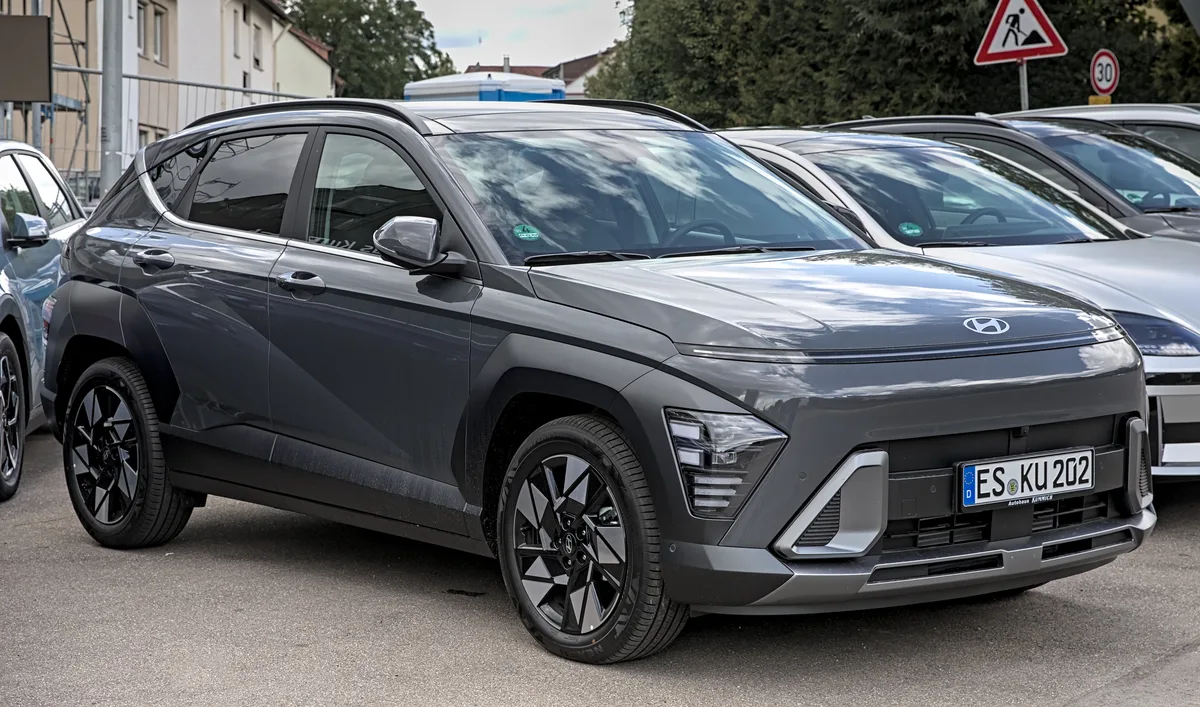
The next Hyundai Kona looks like it's giving up the weirdness that made it interesting
Spy photos of the third-generation Hyundai Kona, expected for 2028, show a much more conventional crossover than the sharply creased current car. It's a prototype, not an official reveal, and outlets disagree on whether it's getting boxier or softer. Either way, the weirdness looks like it's going.
Jeffrey Wiley
What is a ricer? Where the word came from, and why it still stings
A ricer is a car modified to look fast without being made faster: big wing, loud muffler, stick-on vents, decals for sponsors it doesn't have. The word comes from "rice burner," a slur aimed at Japanese bikes and cars, and the acronym people cite is a cover story. Here's the history, the line between a ricer and a real build, and why the industry does the same thing.
Cam Walsh